Hi Dino Gang,
Hope you’ve been crushing your resolutions so far this year!
January was quite a chaotic month, but in a fun way. All of the snow storms over here on the east coast threw a wrench in my usual plans. Yet, it actually afforded me some special time to be with my family and make the most out of our snow days. I had a blast having snowball fights and building pretty decent snowmen with my kids. These kids loved the snow so much they practically wanted to sleep outside!
All this down time actually seemed to work in my favor for Daily Dino because this month was surprisingly jam packed with paradigm-shifting new research! I got to read through many amazing papers about new dinosaurs and changes in our understanding of ecology. In fact, a bulletin from the New Mexico Museum was released and was filled with amazing papers all about dinosaur paleontology in the Southwestern US.
There’s so much that came out this month that the highlights just don’t cut it; you definitely need to take a look at the full list and get caught up on everything paleontologists discovered!
And don’t forget: if your resolution was to read more this year, then Surviving Climate and Chaos is the book for you! Fans literally across the globe are loving the book. It’s been called “enthralling”, “accessible”, and “an awesome read that's super informative”. So if you want to grab your new favorite dinosaur book, then click the link below to grab it right now!
In this month’s Dino Digest, you’ll find:
-
The record-breaking fossil that is the biggest stegosaur in the world
-
A dome-headed raptor
-
A hidden diversity of European dinosaurs
-
And Antarctic birds that reshape our understanding of evolution
So scroll on, because if you thought you knew how dinosaurs lived, adapted, and evolved… think again. 👇

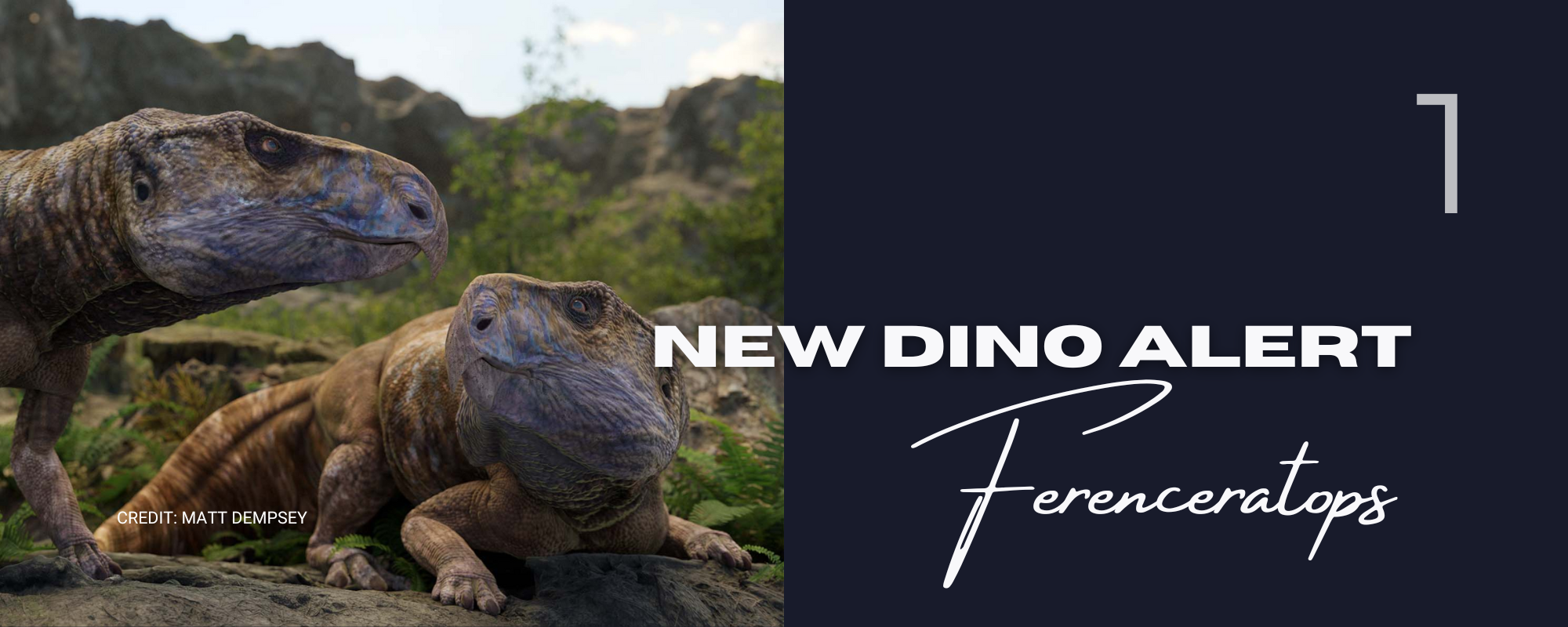
This new dinosaur has completely changed European paleontology! Ferenceratops is a new dinosaur that lived in Romania 69 million years ago. This 6 ft (2 m) long dinosaur sported a large beak and powerful jaws for chewing. As you might guess, this dinosaur was related to Triceratops thanks to its prominent beak and jaws. However, Ferenceratops is also an unexpected missing link between ceratopsians and dwarf European dinosaurs called rhabdodontids. Because of their long legs and the lack of horns for frills, it was never thought that rhabdodontids were related to Triceratops. Yet, Ferenceratops shows that these mysterious small dinosaurs were a group of ceratopsians that evolved for a totally different lifestyle. This suggests that ceratopsians dominated the whole Northern Hemisphere, spanning from North America, Asia, and now Europe.
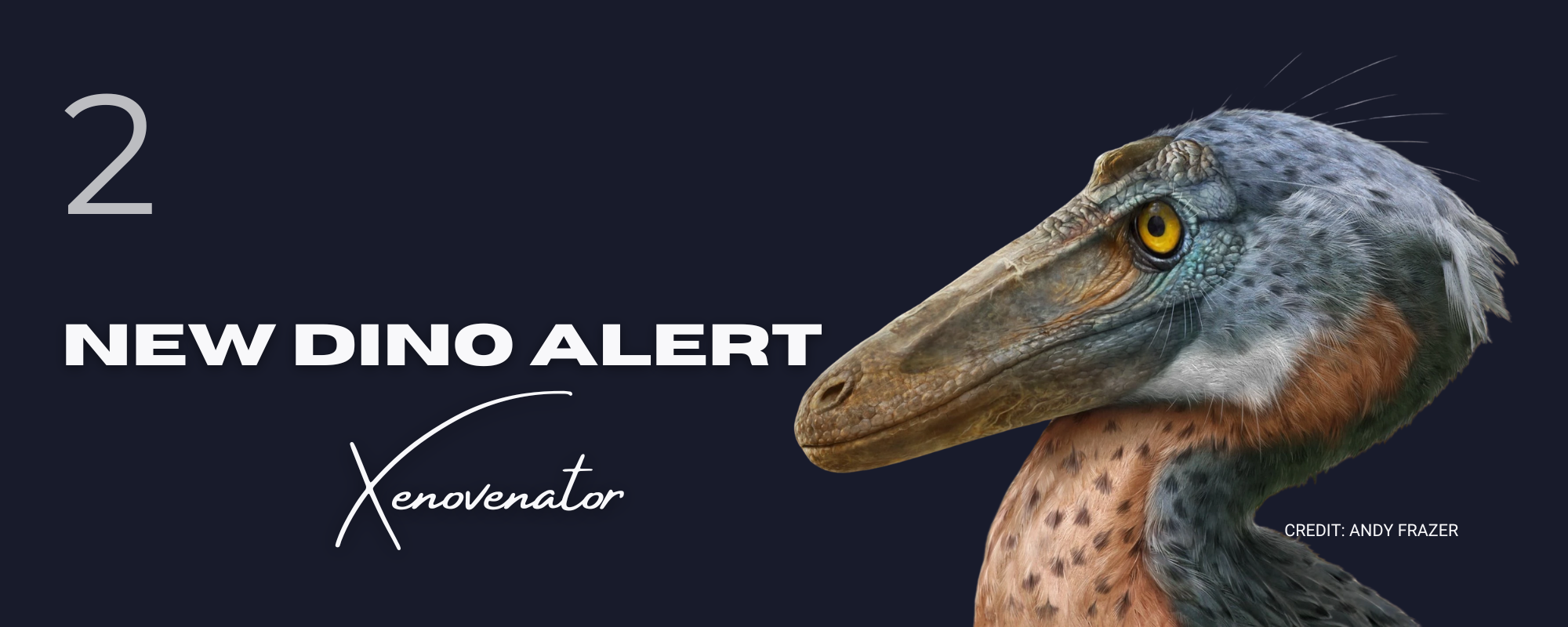
This new predator had something that no other raptor had! Xenovenator is a new Theropod that lived in Mexico 73 million years ago. This carnivore was a trodontid - a relative of Velociraptor - and was covered in feathers and possessed the iconic curved killing claw. What’s so interesting about Xenovenator was that it’s the only raptor to have a domed-head, similar to Pachycephalosaurus. While we don’t have direct evidence of Xenovenator using its skull for head-butting, we do know that Pachycephalosaurus did use its domed head for head-butting. Additionally, other referred specimens seem to have differing sizes of domes, suggesting these dome-heads may have been sexually dimorphic. Therefore, it seems likely that Xenovenator is the first instance of head-butting raptors in the fossil record.
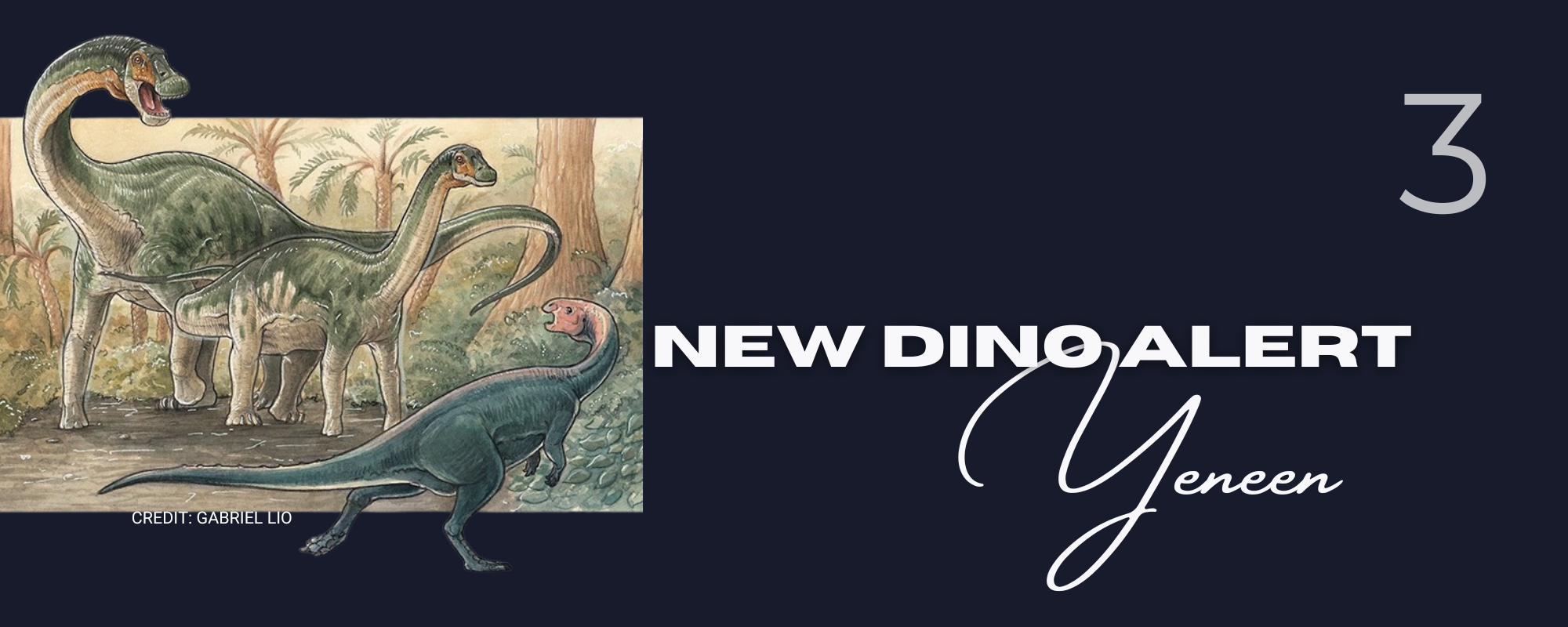
This new dinosaur was smaller than you’d expect! Yeneen is a new Sauropod that lived in the region of Patagonia within Argentina 85 million years ago. Yeneen was specifically a titanosaur, who were the dominant sauropods of the Late Cretaceous. However, what’s weird about this titanosaur was that it was only about the size of a giraffe, which is still pretty big for an animal but is nothing compared to the biggest titanosaurs. 10 million years earlier, these dinosaurs reached over 100 feet long and weighed over 80 tons. So what happened to where they became so much smaller? As Earth went through a period of global cooling, bigger sauropods which lived in warmer environments went extinct and smaller ones like Yeneen managed to live on.
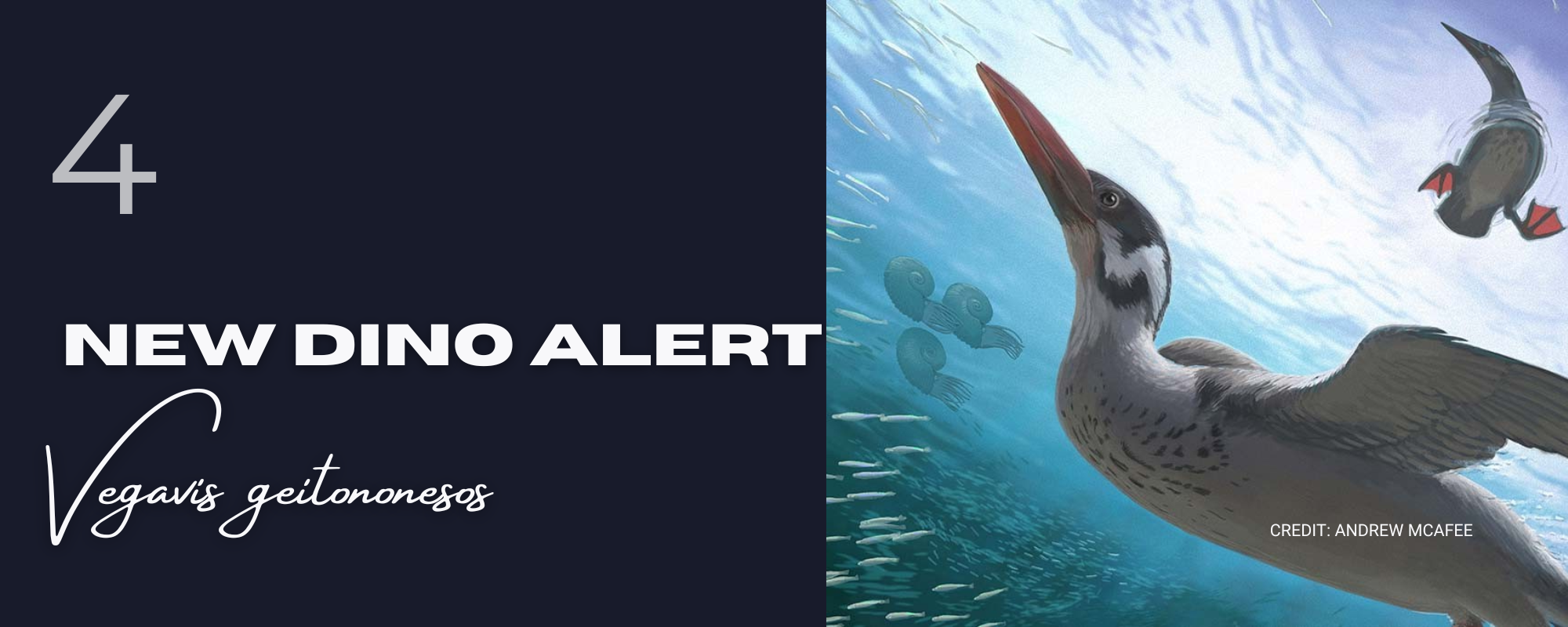
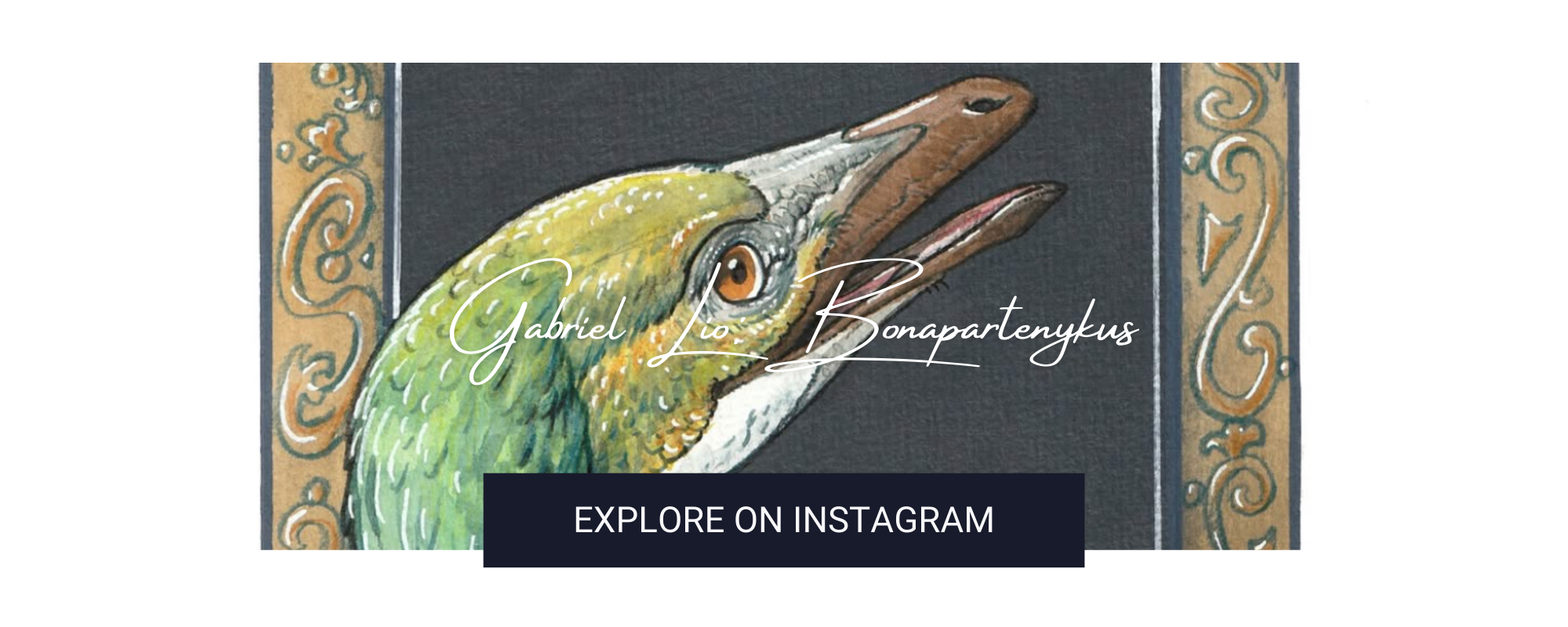
Not one, but two new dinosaurs were found in the South Pole! Vegavis geitononesos and Vegavis notopothousa are two new prehistoric birds that lived in Antarctica 66 million years ago. These are now the second and third species of Vegavis to live in Antarctica, with the first being found back in 2005. What makes these species of Vegavis so unique is that their skeletons were more complete and reveal a unique lifestyle of these birds. Their skulls had unique articulation that allowed them to flex similar to modern day diving birds. Additionally, their special footbones indicated they had powerful foot muscles that would have helped in swimming. These new birds reveal that Antarctica featured a bustling coastal environment and was teeming with an assortment of diving birds.
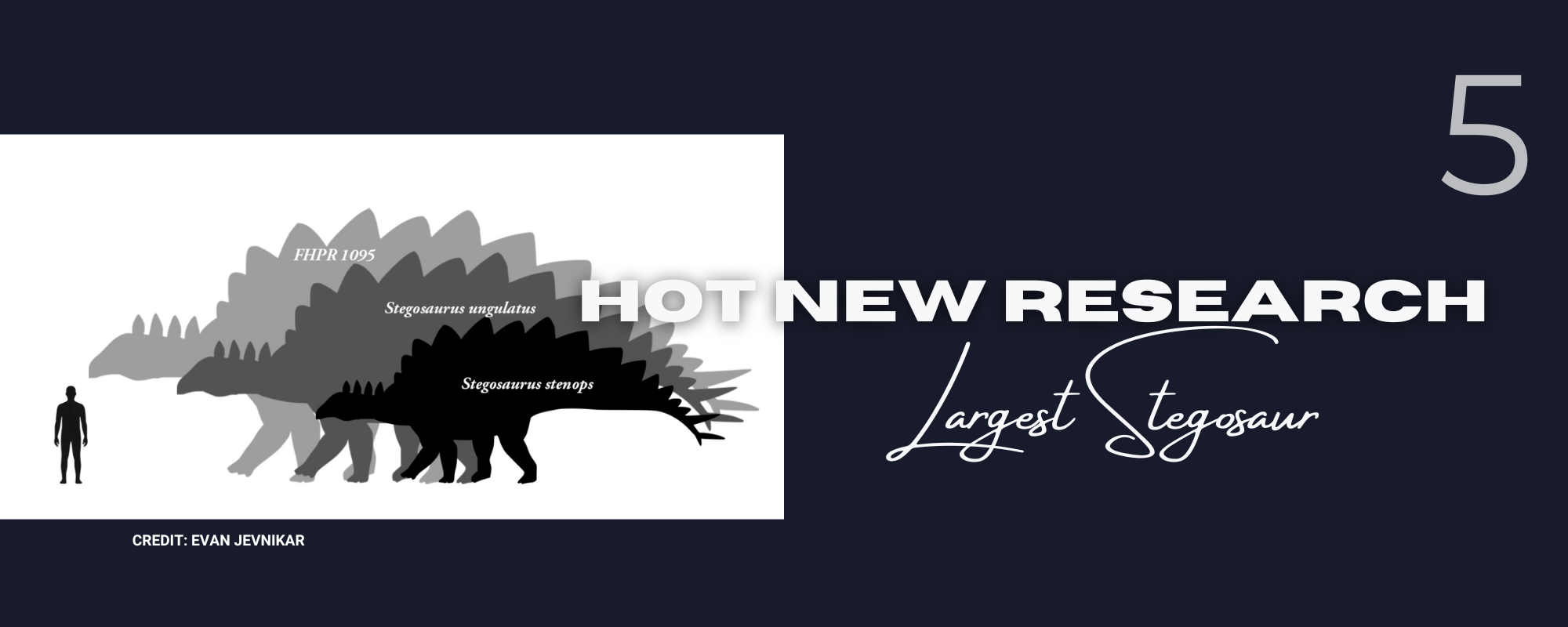
The biggest stegosaur in the world was just found and it is way bigger than you’d expect! Scientists found in Utah a massive forelimb that measures over 5 ft (1.6 m) in length that has the iconic dumbbell shaped humerus that we find in stegosaurs. This individual is 47% larger than the average stegosaur found in the American Southwest and is estimated to have weighed over 15,000 lbs (7 metric tons). This behemoth is so large that it was equal in size to some long-necked sauropods from the Morrison Formation! However, it probably didn’t compete with sauropods; rather it would have focused on eating ferns and horsetails instead of eating from tree canopies like sauropods. This titanic stegosaur shows that there may be some dinosaur skeletons out there that can be double the size of what we see in museums.


—
Q: When paleontologists discover fossils, how certain are they that the species is what they say it is?
A: All named dinosaurs have diagnostic features, which means they have at least one or more features on their bones that you don’t find in any other dinosaur. By knowing the specific features of each dinosaur, you can know which fossils belong to which species. Surprisingly though, many fossils in museums never get assigned to a species because the bones don’t have any diagnostic features; they are either too incomplete or don’t preserve the unique bone or bones that help identify them to a species.
Q: Is Ceratosaurus really as weak as they say?
A: Ceratosaurus was still a pretty ferocious dinosaur! It just had the misfortune of living alongside several other large and fearsome predatory dinosaurs. Recent research points out that it had teeth similar in shape to the massive canines of Saber-toothed cats, who use these sabers to quickly kill small prey. Therefore, it’s suggested that Ceratosaurus wasn’t optimized for taking on big game or competing with other large carnivores, but instead was surprisingly efficient at hunting small quick dinosaurs.
Q: Did the velociraptor call for help just like shown in the movies?
A: Unfortunately, we don’t know! We don’t have a voice box of a Velociraptor like in the movies. We also don’t know what their behavior was; we don’t even have evidence that they lived in packs! Because birds and many feathered dinosaurs were pretty vocal animals, they likely did make noises or maybe even calls. Yet, we aren’t sure if they were highly social animals like they were in the movies.


Official Trailer of Surviving Climate and Chaos
Watch the full video now 👆🏻

THANKS FOR BEING A PART OF THE DINO GANG,


Responses