Hi Dino Gang,
This month’s discoveries had our jaws on the prehistoric floor. We’re talking long-necked giants towering through Chinese forests, dino voiceboxes that hint at ancient chirps and whistles, and a raptor from Mongolia with claws that could compete with Velociraptor...literally.
From herds made of multiple species (Ankylosaurs and Ceratopsians rolling deep together?!) to early sauropods paving the way into a warming Pangea, the fossil record is showing off again. Oh, and one new dinosaur might have been one of the longest animals to ever live.
But before, we get into it, as a thank you for being part of our community, we're giving newsletter subscribers 10% off any purchase from the shop this month. Just use code NEWSLETTER at checkout! 🦖
USE CODE NEWSLETTER FOR 10% OFF
Scroll on, because if you thought you knew how dinosaurs roamed, ate, and maybe even sang… think again👇

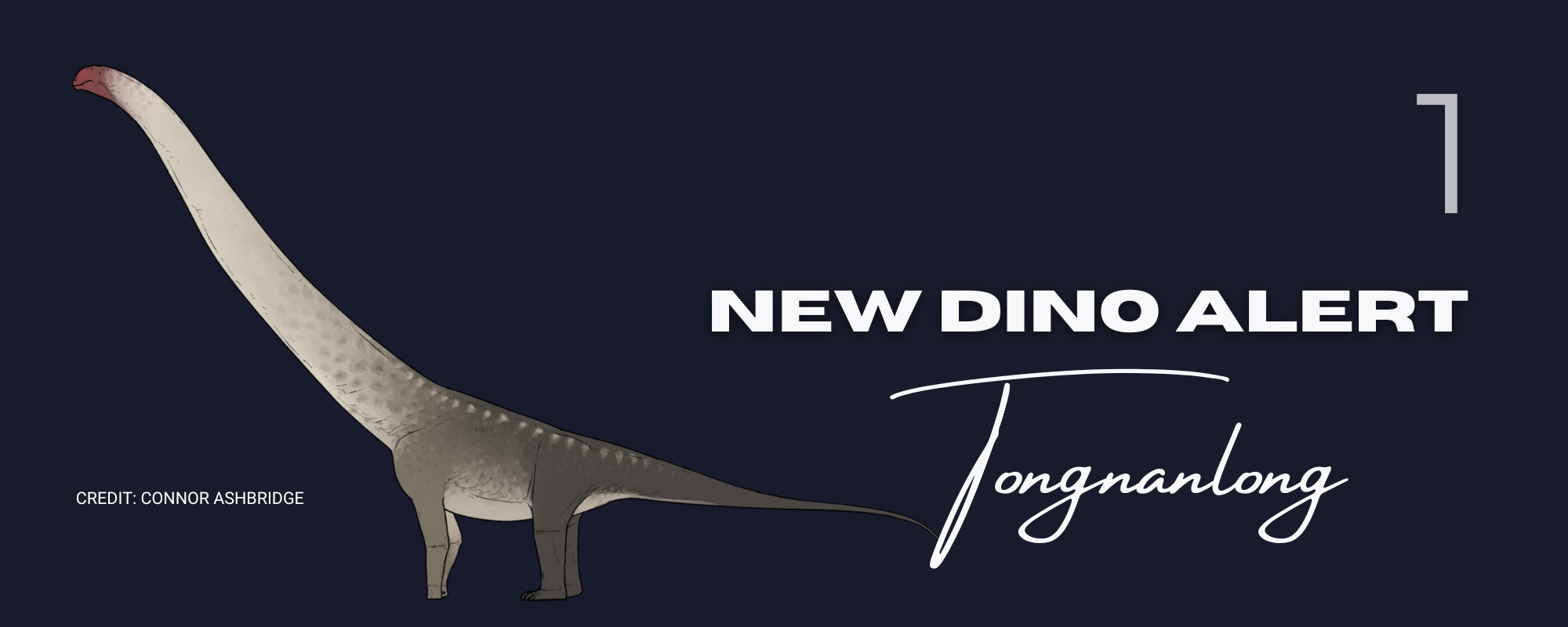
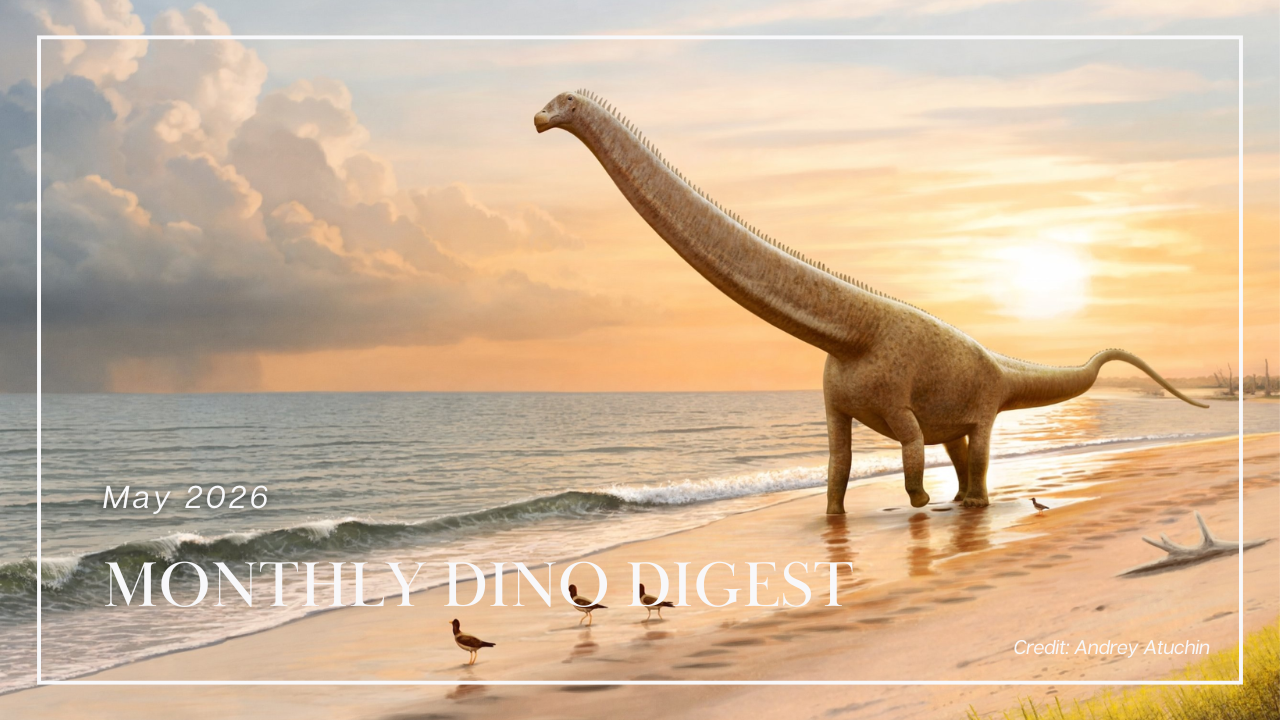
A new dinosaur was discovered and it was one of the longest animals to have ever existed! Tongnanlong is a new species of Sauropod that lived in China roughly 145 million years ago. This dinosaur was specifically a Mamenchisaur, known for having extremely long necks. This dinosaur is unique because it reveals just how different Chinese dinosaurs were from US dinosaurs. While Sauropods like Apatosaurus, Brachiosaurus, and Diplodocus grazed across the serengeti of ancient North America, Tongnanlong and other Mamenchisaurs browsed the temperate forests. And unlike the extremely long necks of Chinese Sauropods, a majority of North American Sauropods developed extremely long whip-like tails instead.
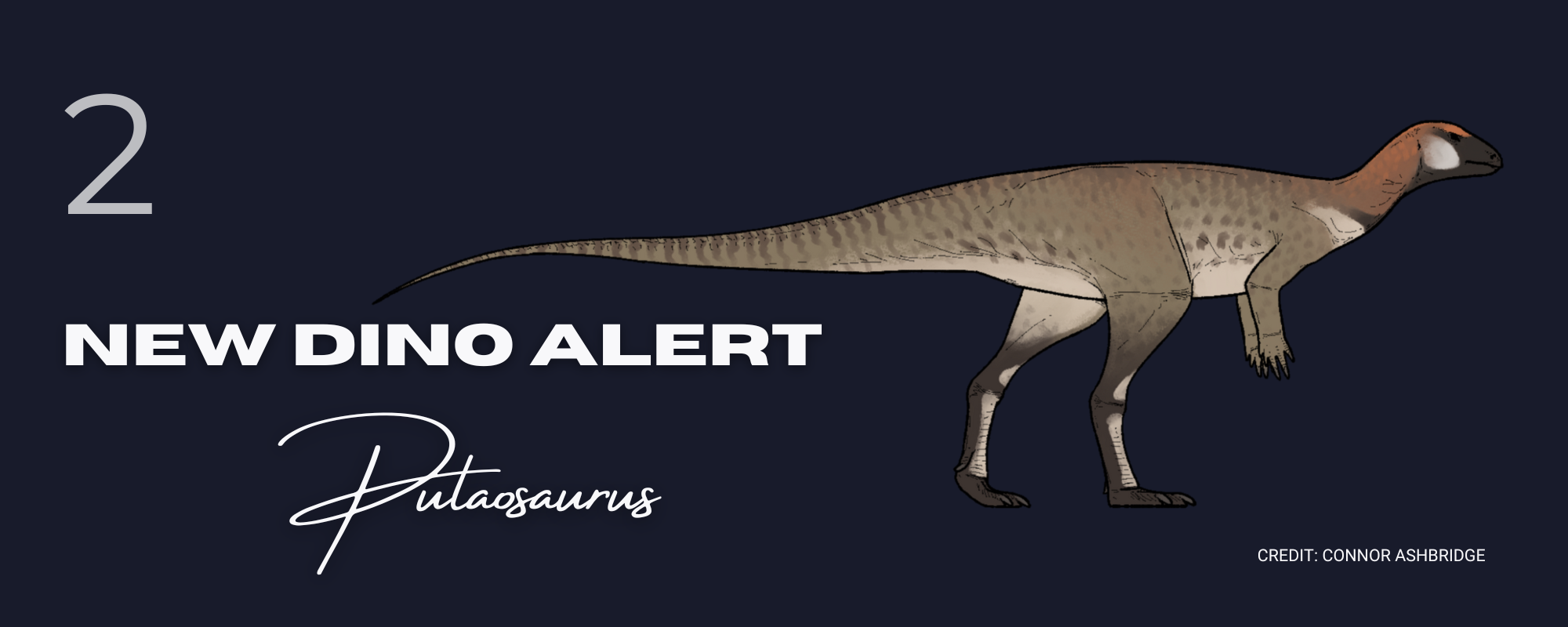
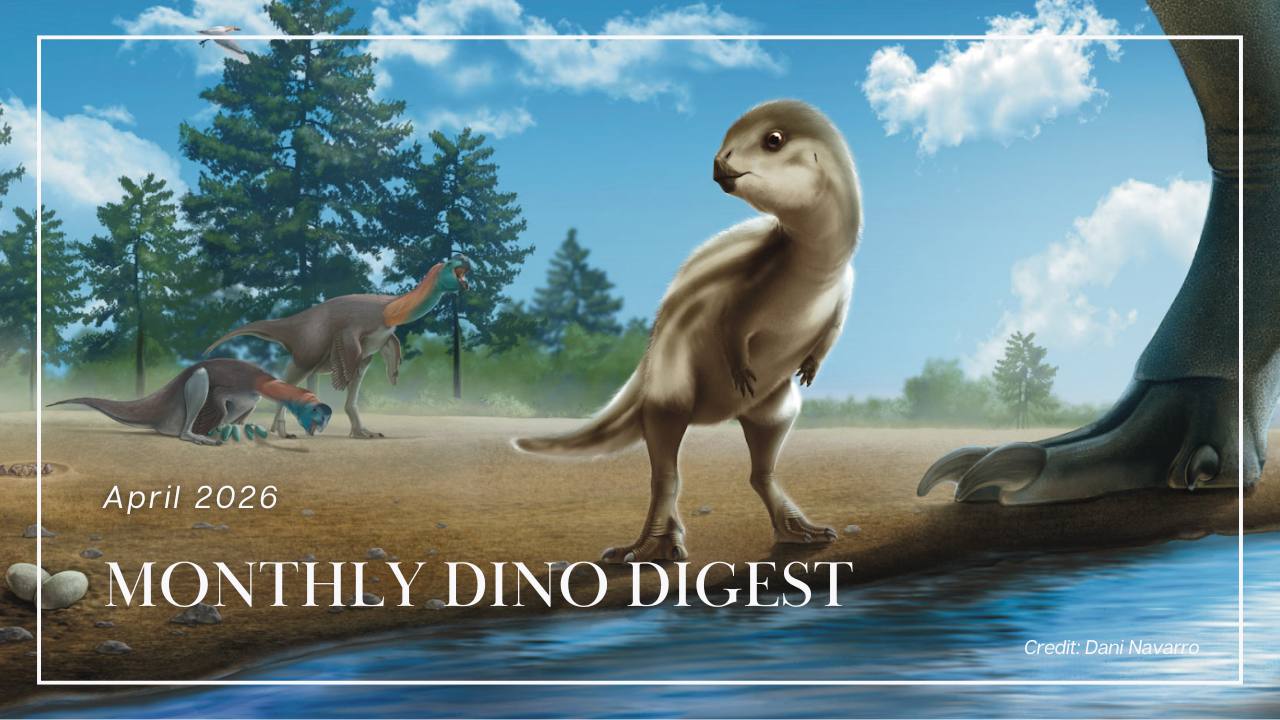
A new dinosaur was discovered and it might have sung like a bird! Pulaosaurus is another new Chinese dinosaur, but lived 160 million years ago. This little dinosaur was one of the first Neornithischians, which were some of the few dinosaurs that actually chewed their food thanks to special grinding teeth. But more interesting than that, was the fact that this dinosaur was preserved with its larynx, or voicebox. Even though it wasn’t that closely related to birds, its larynx was very similar to those found in modern day birds. While it’s one of the most complete dinosaur voiceboxes ever found, it was crushed during fossilization and so we can’t reconstruct the exact sound it made. However, it wouldn’t be too far-fetched to say that it could chirp and whistle like a bird.
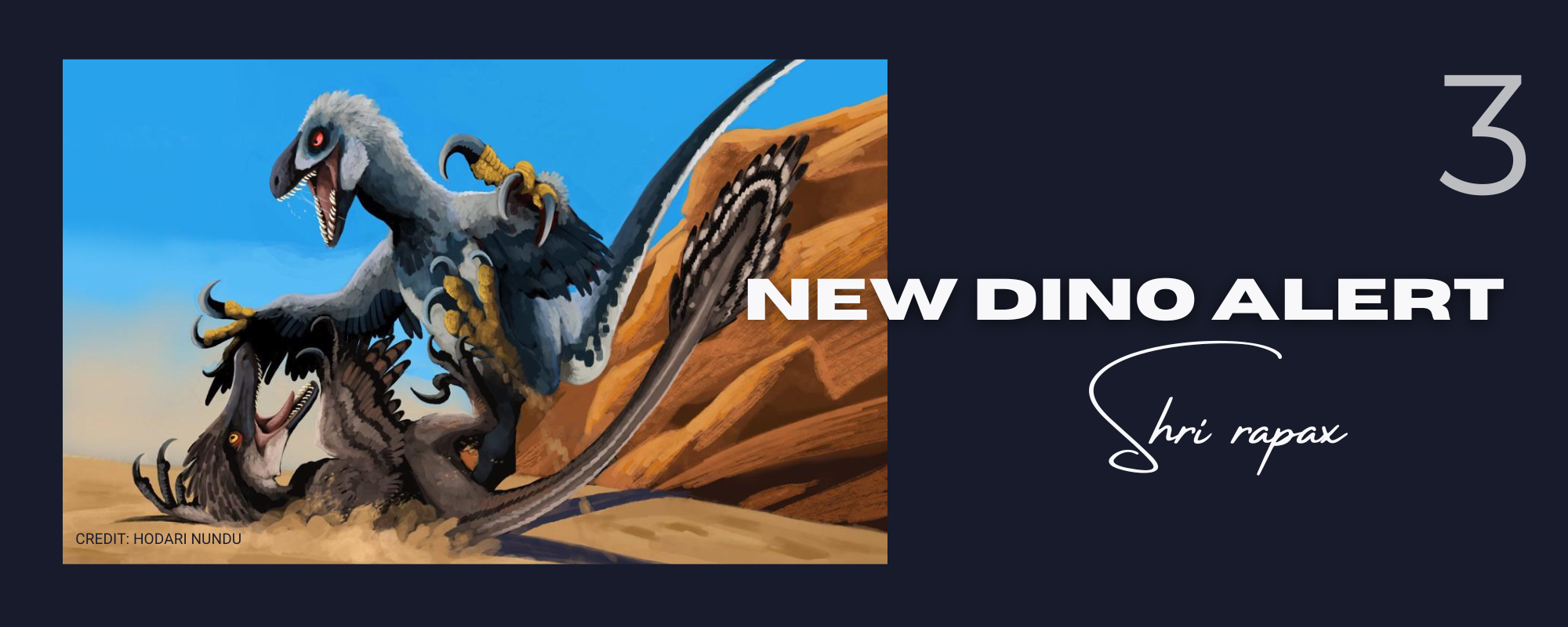
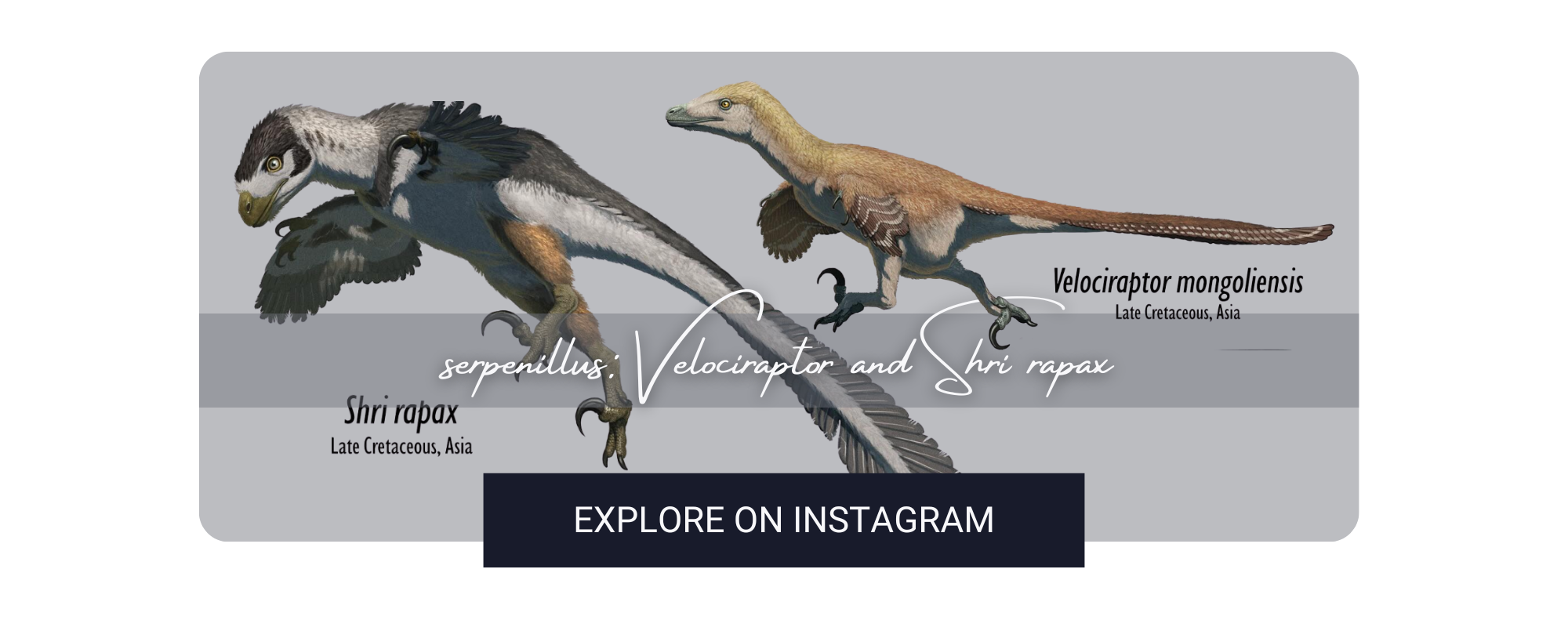
A new dinosaur was discovered and it hunted alongside Velociraptor! Shri rapax is the second species of the genus Shri to have lived in Mongolia 73 million years ago. Even though it was about the size of a coyote, this dinosaur was a ferocious predator. This German Shepherd sized raptor had a short snout that could deliver powerful bites. It’s also unique from Velociraptor in that it had strong claws that could sink into dinosaurs. Given that it was stronger than Velociraptor in many aspects, the authors suggest that it could bring down different prey in the Gobi Desert. This allowed these two predators to avoid competing with each other.
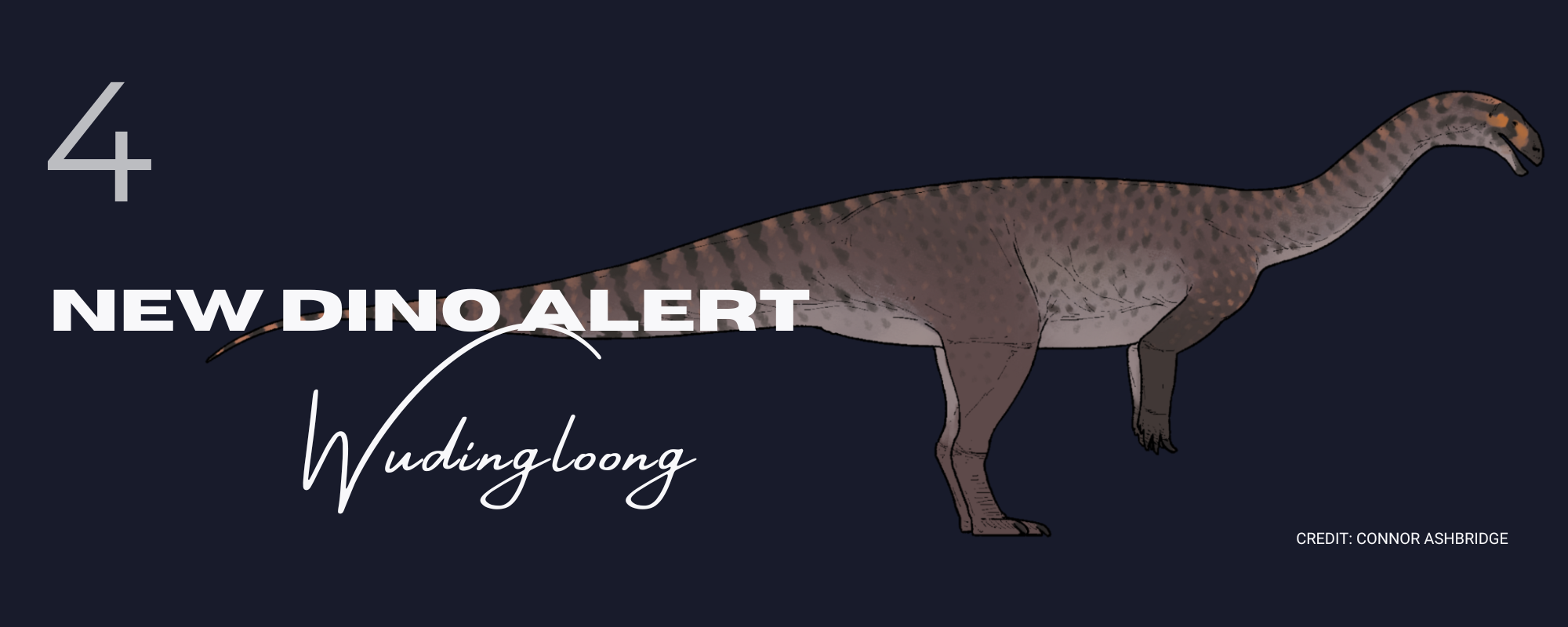
A new dinosaur was discovered and it was a pioneer within Pangea. Wudingloong is a new Early Sauropod (Sauropodomorph) that lived in China 200 million years ago. During this time Sauropods hadn’t attained their truly massive sizes yet and still walked on two legs. This dinosaur was truly interesting because it was one of the earliest Sauropodomorphs found in East Asia. Only a million years before Wudingloong existed, Asia was too cold for dinosaurs like these. This meant that most Sauropodomorphs didn’t branch out beyond Europe in the Northern Hemisphere. But after a series of volcanic eruptions, the Earth warmed up significantly and made the Northern regions of Pangea much more habitable for dinosaurs

Dinosaur herds may not have been restricted to just one species! A massive trackway in Alberta, Canada was found to be mostly Ceratopsian footprints. But mixed in with these Ceratopsian footprints and heading in the same direction were Ankylosaur footprints and small Theropod footprints. This provides evidence that at least some herds could see a diversity of different species. What’s also interesting is that Tyrannosaur footprints were found in the tracksite too, suggesting that these predators may have been stalking herds from a distance.


—
Q: Why did T-rex have tiny arms and could they even use them?
A: The reason they had evolved such small arms was because of their giant head; As tyrannosaurs grew bigger in size, their heads grew bigger and ended up weighing more. To prevent the front half of their body from weighing them down, they reduced the size and weight of their arms. But they actually could use them! The arms of T. rex still have large muscle attachment zones; they were probably stronger than human arms! So they had some type of purpose, but we still don’t really know since they can’t reach much and don’t have a lot of range of motion.
Q: How do they find out the age of a dinosaur from one bone?
A: This is something I did in my Master’s research! If you cut open the bones of a dinosaur, they have rings in them, just like tree rings! If you count up the rings, you can estimate how old they are. If the rings are close together it’s a slower growing individual, but if they’re farther apart it means they’re growing. Usually juveniles only have widely spaced lines. Fully grown dinosaurs have lines that get closer and closer together until there’s no space between them, which means they’ve slowed and then stopped growing.
Q: How would dinosaurs look if they adapted to today's environment?
A: Some dinosaurs lived in dinosaurs similar to today’s environments so many species wouldn’t change much! The dinosaurs that would have to adapt the most would probably be the Sauropods since they preferred really hot and dry environments. To adapt they would probably need to reduce their size. Giraffe-sized Sauropods were surprisingly common in the End Cretaceous given that many regions were similar to modern temperatures.


|
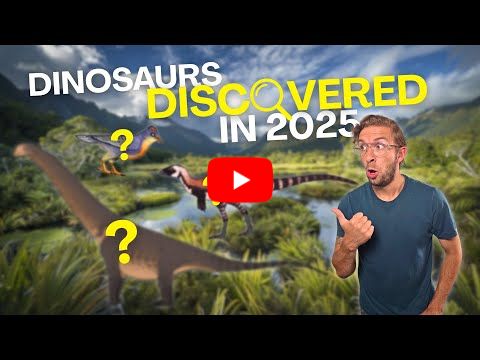
6 NEW DINOSAURS Discovered in 2025 That Change Everything and One Might Rewrite Bird Evolution!! Watch the full video now 👆🏻




THANKS FOR BEING A PART OF THE DINO GANG,


Responses