Hi Dino Gang,
This month’s newsletter is loaded with some of the most exciting new research and fossil discoveries from last month, including some brand-new dinosaurs and INSANE new studies!
But before we get into it, I'm sharing a SUPER special offer for you since you're a subscriber to my newsletter! If you've been wanting to try out Daily Dino Direct, NOW is the time. You can get access to all the masterclasses, the community, and SO much more for only $1!
This offer expires Sunday, May 11 at 11:59pm EST, so grab it while you can. And don't forget, you can always cancel at anytime!
Still wondering, what's inside? Well, last month I got to sit down with Pasha van Biljert from Utrecht University and the Naturalis Biodiversity Center to hear all about his research on Theropod locomotion!
He got to talk about how fast and efficiently T. rex could walk, why birds move differently than humans, and what that means for dinosaurs!
Click here if you want to hear more about this research directly from Pasha through his masterclass lecture, available only in Daily Dino Direct (& get a trial membership for only $1).
Pssst... something *BIG* is coming next week so stay tuned!
Now, let's dive into the full newsletter ⤵️

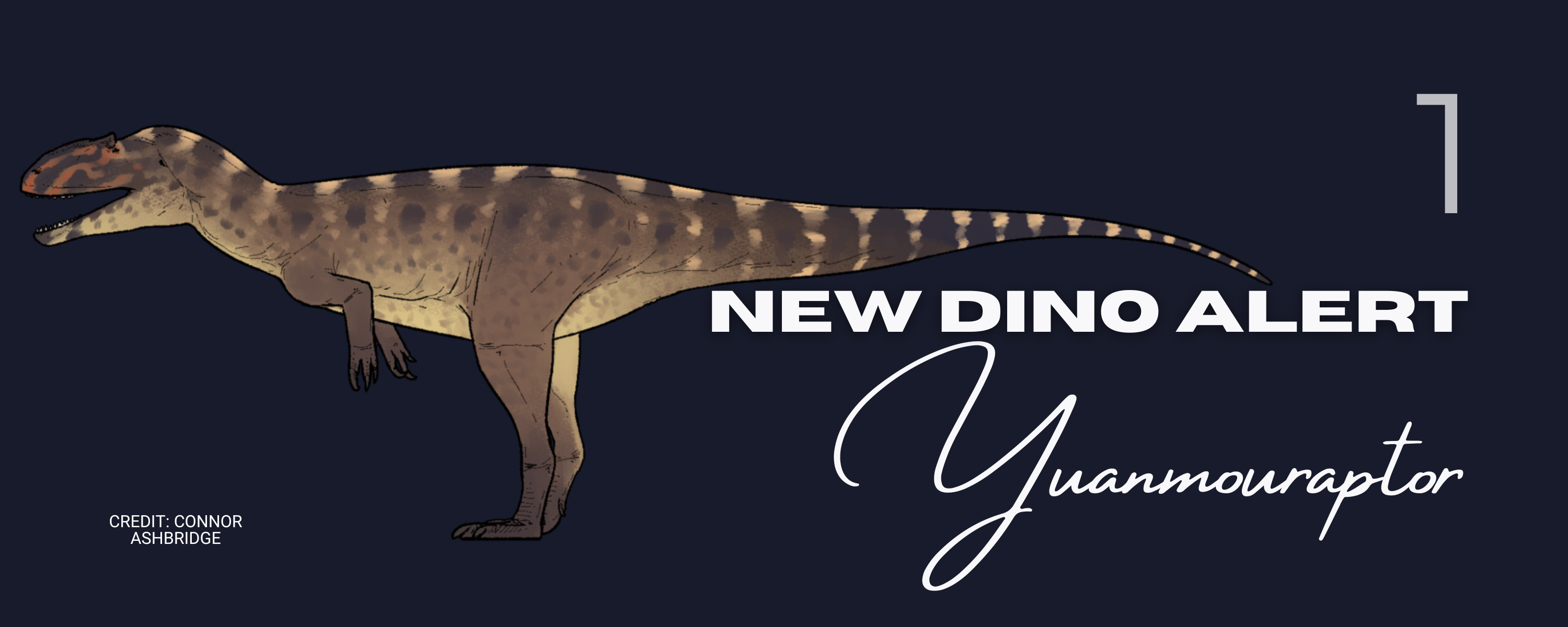
A new dinosaur was discovered and it terrorized ancient China! Yuanmouraptor was a carnivorous dinosaur that lived in China 165 million years ago. This dinosaur was about 16 feet long (5 meters) and had a pair of crests on its head. What’s interesting about this dinosaur is that it was a Metriacanthosaur, which were Asian cousins of predators like Allosaurus. But Yuanmouraptor is one of the earliest Metriacanthosaurs to be discovered so far with it being nearly 10 million years older than the previously oldest species. Therefore this pushes back when these predators originated in East Asia and became the top predators.
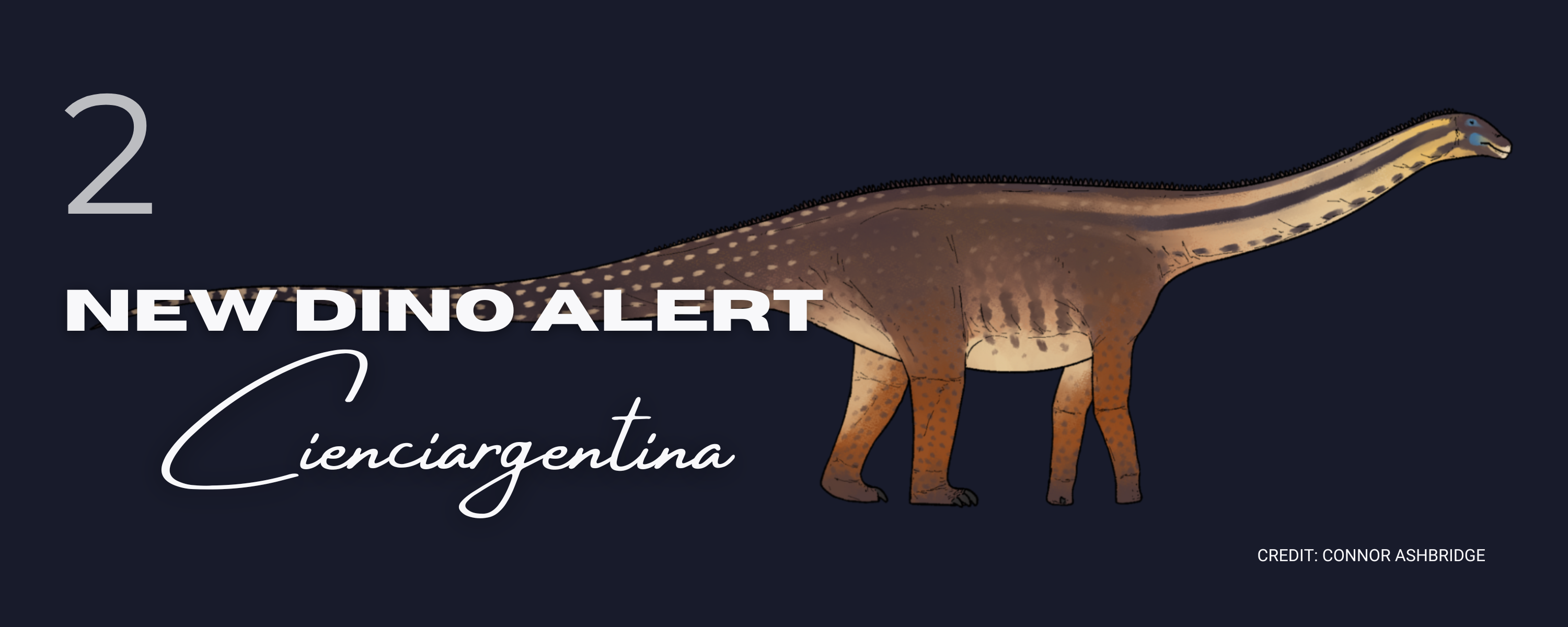
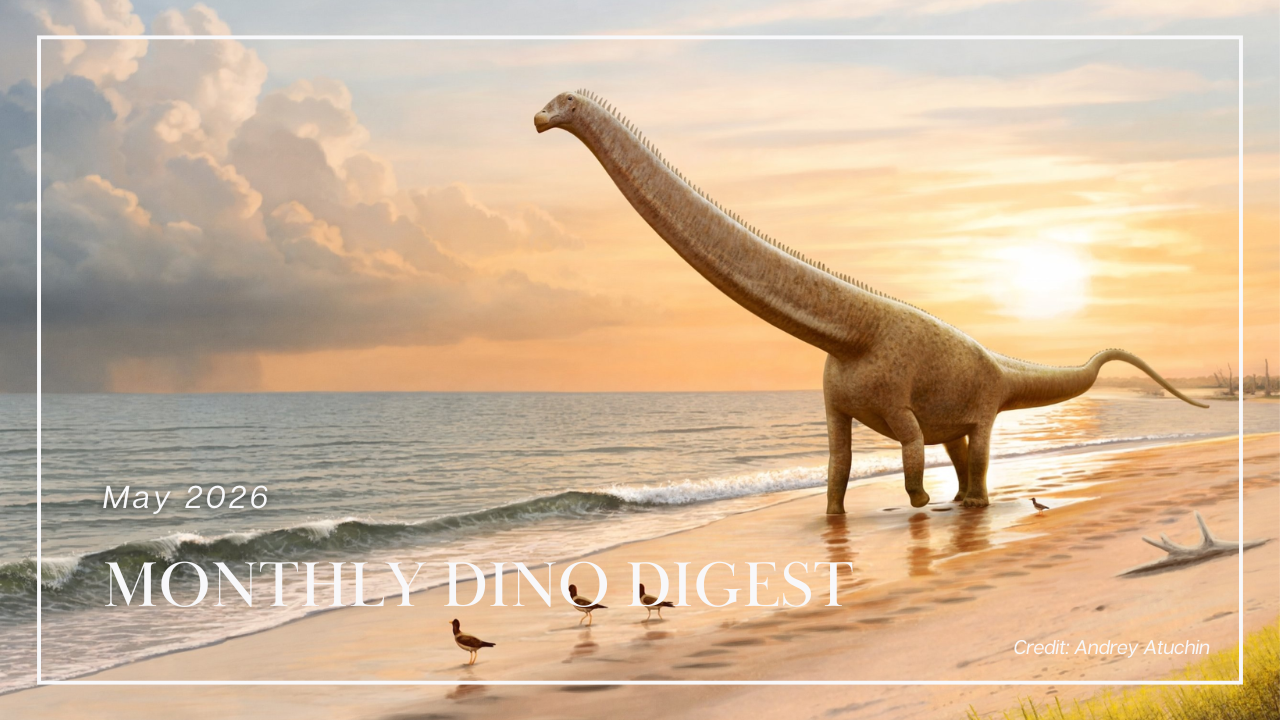
A new dinosaur was discovered and it was the last of a dying breed! Cienciargentina is a long-necked dinosaur that lived in Argentina 97 million years ago. In addition to the iconic long neck, Cienciargentina also had a tail longer than most Sauropods and had a boxy skull with hundreds of thin teeth. But this species is unique because it is one of the last of its kind before another group, the Titanosaurs, became the only sauropods left on Earth. Right after Cienciargentina lived, Earth went through intense climate change that many dinosaurs couldn’t handle. Cienciargentina, and in fact all its relatives, succumbed to climate change, allowing the Titanosaurs to take their place.

Did the asteroid impact put the dinosaurs out of their misery or hit them during their prime? Scientists wanted to know if dinosaurs were already dying out before the asteroid hit 66 million years ago. The fossil record seemed to indicate dinosaur diversity was declining, but by using computer modeling, they found that the fossil record might not be reliable. Dinosaurs actually seemed to be doing just fine before the meteor impact. They found that there actually isn’t that much rock from the end of the Cretaceous near the surface; this gives the illusion that there weren’t many fossils and therefore dinosaur species from this time period. So it seems we still have much to learn about dinosaurs at the end of the Cretaceous!
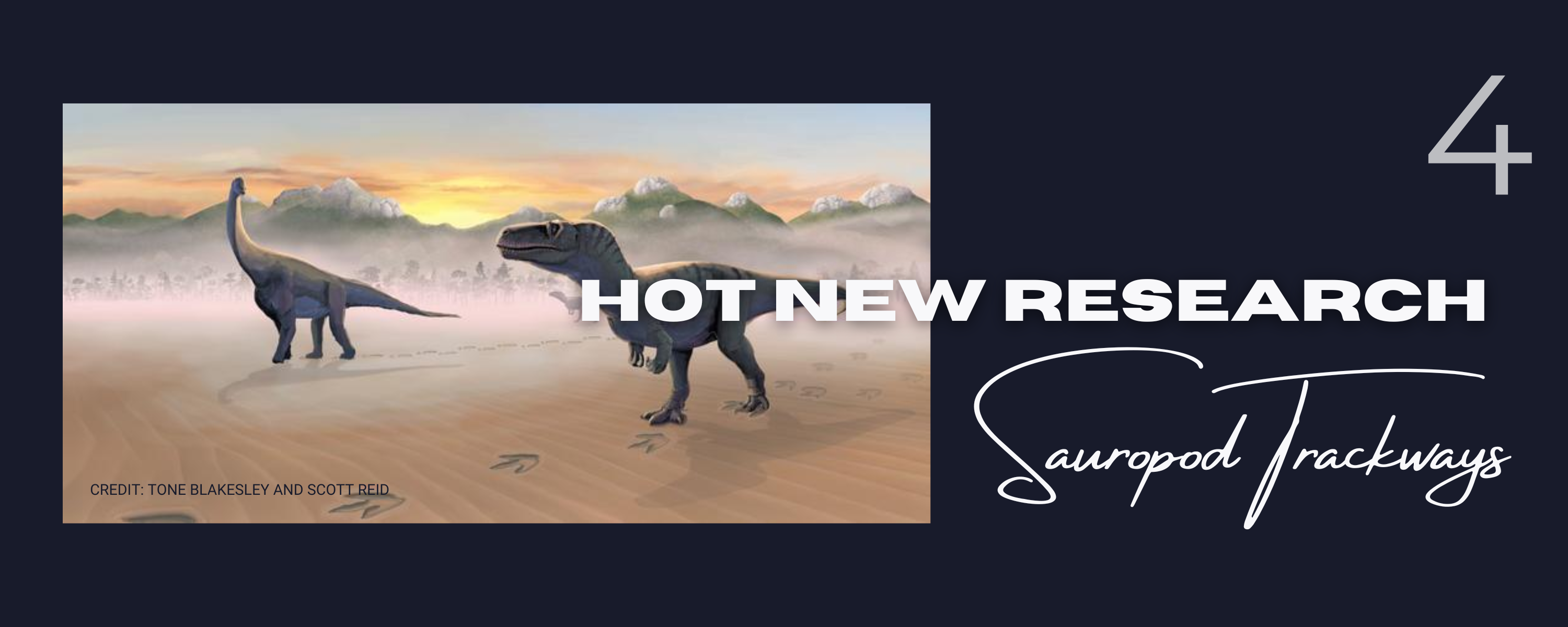
Scientists found over 130 dinosaur footprints on the Isle of Skye in Scotland! These footprints could be categorized into two different groups: three toed prints left by meat-eating Megalosaurs and oval-shaped prints left by plant-eating Sauropods. By analyzing the direction and grouping of the footprints, the scientists realized that these European Sauropods didn’t move in herds with social structures, but formed large groups that would likely swarm around resources. The tracks were found in layers of old, rippled sandstone that formed in shallow lagoons during the Middle Jurassic period. The Isle of Skye trackways are especially unique in that they had way more Megalosaur footprints than other sites, suggesting that Megalosaurs more commonly stalked Sauropods in this area.

Birds weren’t the only dinosaurs with hollow bones! Scientists studied a dinosaur called Bonapartenykus, which lived in Argentina during the Late Cretaceous. This dinosaur was an Alvarezsaur, which were distant relatives of birds. But when they cut open its bones, they realized it had air-filled pockets that reached all the way down to its tail.These air spaces came from openings in the bone that connected to air sacs, just like modern birds. The authors also realized that some Alvarezsaurs randomly had more hollow bones than others, suggesting hollow bones didn’t evolve in a straight forward way.


—
Q: What courses should I take to become a paleontologist?
A: On the geology side, I'd recommend Historical Geology, Sedimentology, Stratigraphy, and Paleontology (obviously). On the biology side: I'd recommend Ecology, climatology, Anatomy, and some type of evolutionary biology.
Q: What’s your favorite dinosaur?
A: My favorite dinosaur is probably T. rex! The reason that it’s my favorite is because it’s unlike every other gigantic predatory dinosaur. Not only does it have the strongest bite of any dinosaur, but compared to other dinosaurs of the same size, it’s one of the fastest growing!
Q: Is there any sign that dinosaurs could have cancer or tumors?
A: YES! There was a Centrosaurus skeleton found a couple years ago that had a huge bone cancer tumor in its knee! Surprisingly, this Centrosaurus was actually able to live quite a while with this tumor - way longer than paleontologists expected. The reason is that we know for a fact that these dinosaurs lived in herds. So paleontologists think that this dinosaur was kept from getting picked off from predators because it was protected by the herd.



|
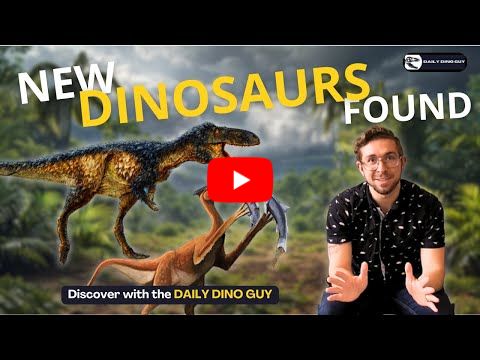
NEW VIDEO DROPPED! In this video, I reveal five mind-blowing new dinosaur discoveries made in 2025 that are changing everything we thought we knew about prehistoric life.
 |
| @thedailydinoguy on Tiktok |



THANKS FOR BEING A PART OF THE DINO GANG,


Responses