Hi Dino Gang,
April was one of those months where I really needed to step away from the screen for a bit, and I'm glad I did.
One of my best friends from college is getting married, so I flew back to Lawrence, Kansas to help plan his bachelor trip. Lawrence is where I went to undergrad at the University of Kansas, and I hadn't been back since 2021. Walking back into that town after five years was so much more refreshing than I expected. Same local restaurants, same quirky shops, same fun small town energy as always. I got to reconnect with friends I hadn't seen in years and spend a day out on Clinton Lake catching up and being completely present. No agenda or deadlines. It was exactly the reset I didn't know I needed.
Rock Chalk forever.
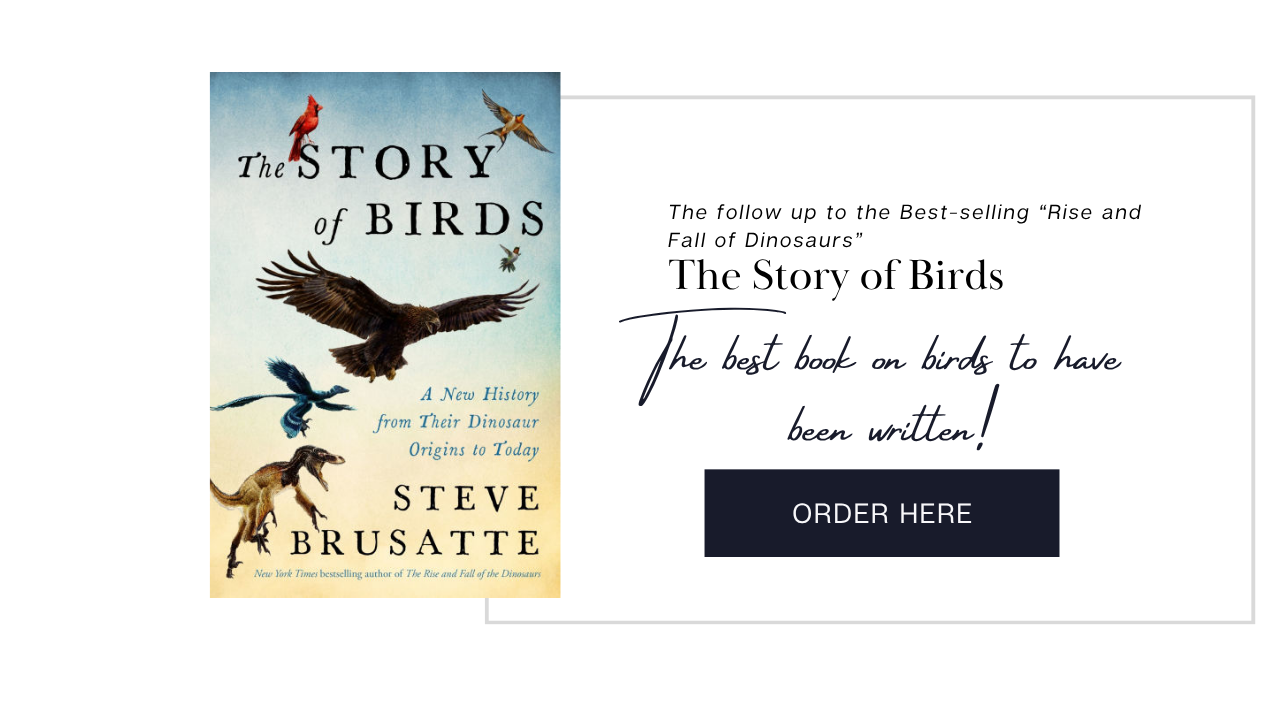
On the professional side, something pretty special happened this month. I got to speak with Dr. Steve Brusatte, and if you know paleontology books you know exactly why that's a big deal. Steve wrote The Rise and Fall of the Dinosaurs, which is one of the books that genuinely influenced how I think about science communication. Vivid, accessible, never dumbed down. The kind of writing that makes dinosaurs shine.
He has a new book out called The Story of Birds, and he was gracious enough to send me an early copy. It picks up right where Rise and Fall of the Dinosaurs leaves off, tracing the 150-million-year journey of birds from their dinosaur origins through the Cretaceous extinction and into the modern world. I thought I knew birds pretty well, especially the Mesozoic stuff, but this book genuinely surprised me. The sections on what happened after the extinction are wild. Terror birds in South America. Demon ducks in Australia. Giant flightless predators evolving independently on multiple continents, essentially dinosaurs in everything but name. If you want to understand how the most diverse group of living dinosaurs got to where they are today, go grab a copy on Amazon. It's worth it.
Before we get into this month's discoveries, I want to give you a heads up on something.
For the past few months I've been doing a signed copy bundle where you get a copy of Surviving Climate and Chaos plus a random Pokémon card pulled on my live stream. This month I opened two booster packs instead of one, which means there are more cards in the pool and a better chance your pull ends up being something worth getting excited about.
You're getting this email before I post anything on social media. That means you have first access to the signed copies before anyone else sees this. Once I announce it on Instagram the inventory moves fast, so if you want one, grab it now while the selection is still full.
Grab your signed copy and Pokémon card here!
In this month’s Dino Digest, you’ll find:
-
The biggest octopus to ever exist
-
One of the earliest dinosaurs
-
Two long-necked dinosaurs; one huge and the other suprisingly small
-
And a new look at a dinosaur we've known for a long time
So scroll on, because if you thought you knew how dinosaurs lived, adapted, and evolved… think again.

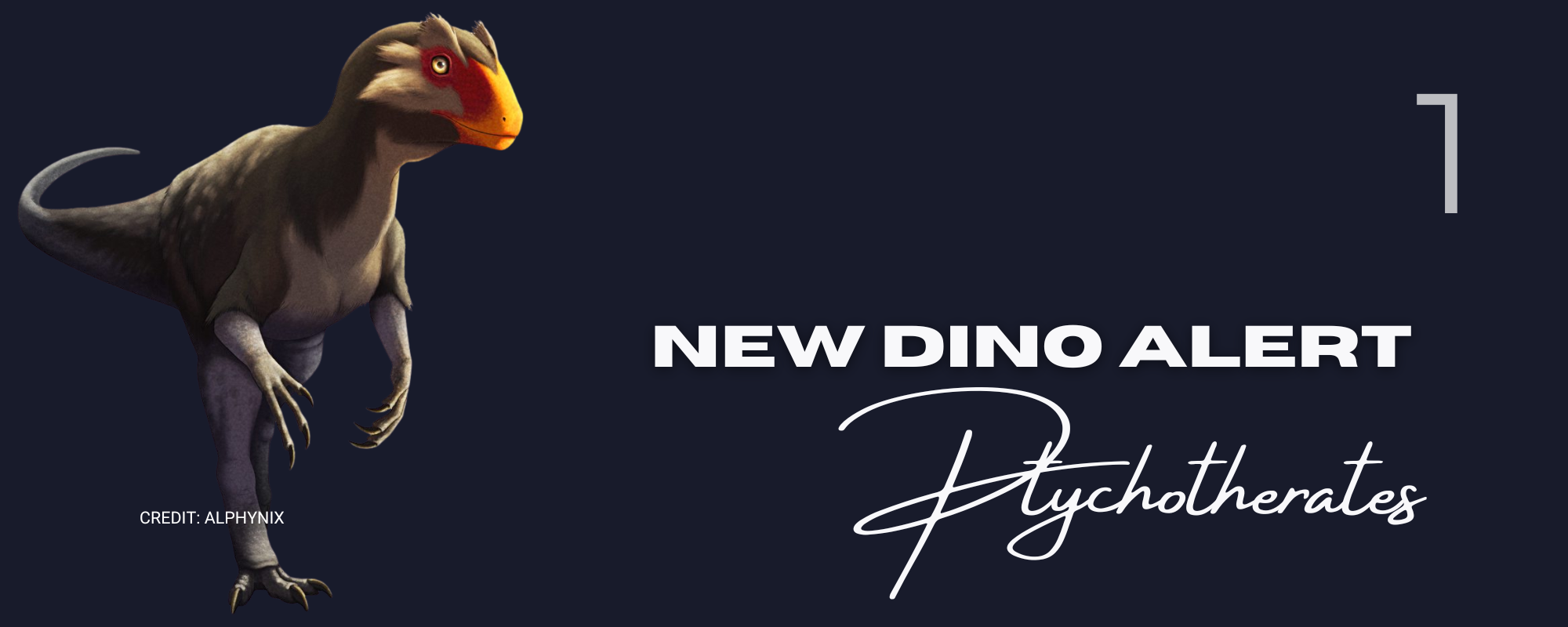
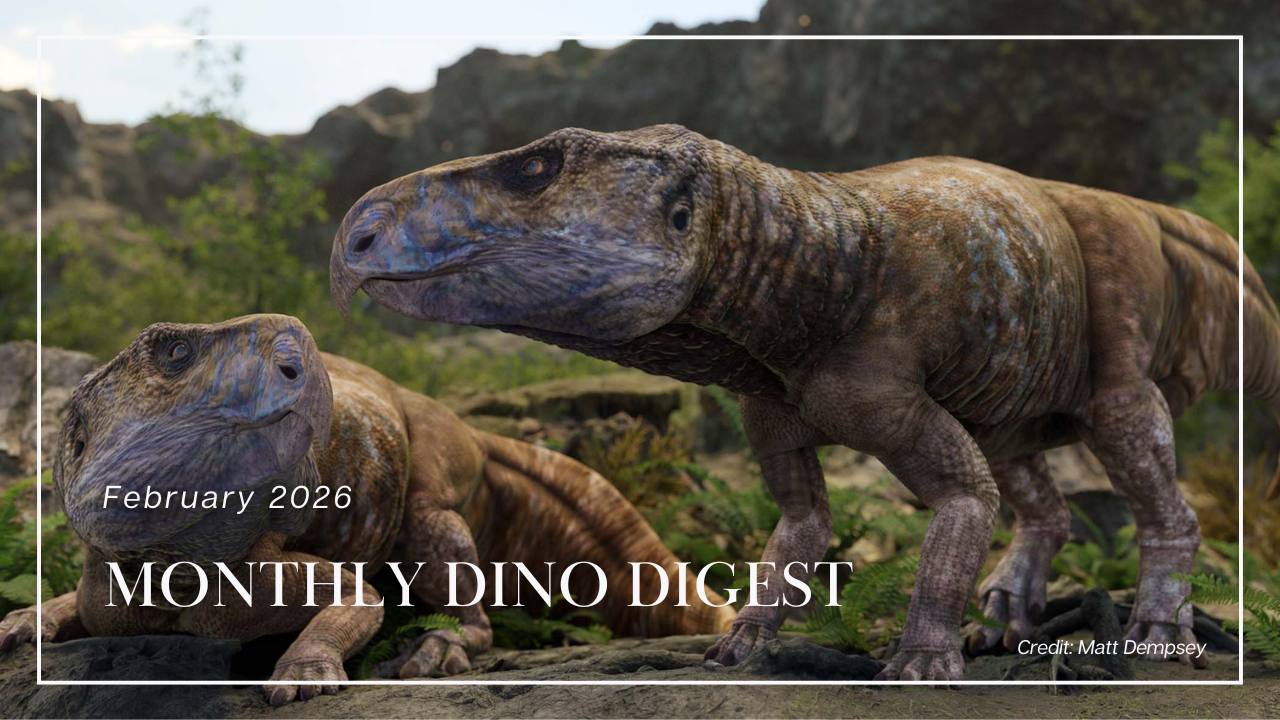
This new dinosaur reveals an entire group of previously unknown predators. Ptychotherates is a new species that lived in New Mexico 203 million years ago. This early dinosaur was roughly 6 feet or 2 meters long and had a short compact head. Even though it was a meat eating dinosaur, it wasn't even related to practically 90% of all other meat eating dinosaurs like T. Rex and Velociraptor. This species is a Morphoraptor, which were some of the oldest types of dinosaurs to evolve. During the Triassic, these small yet swift dinosaurs seemed to be pretty successful predators. After the Triassic period, all of these types of carnivores went extinct because of intense climate change caused by volcanoes. However, all other types of dinosaurs, including the meat eating Theropods, made it through and ended up taking over the world.
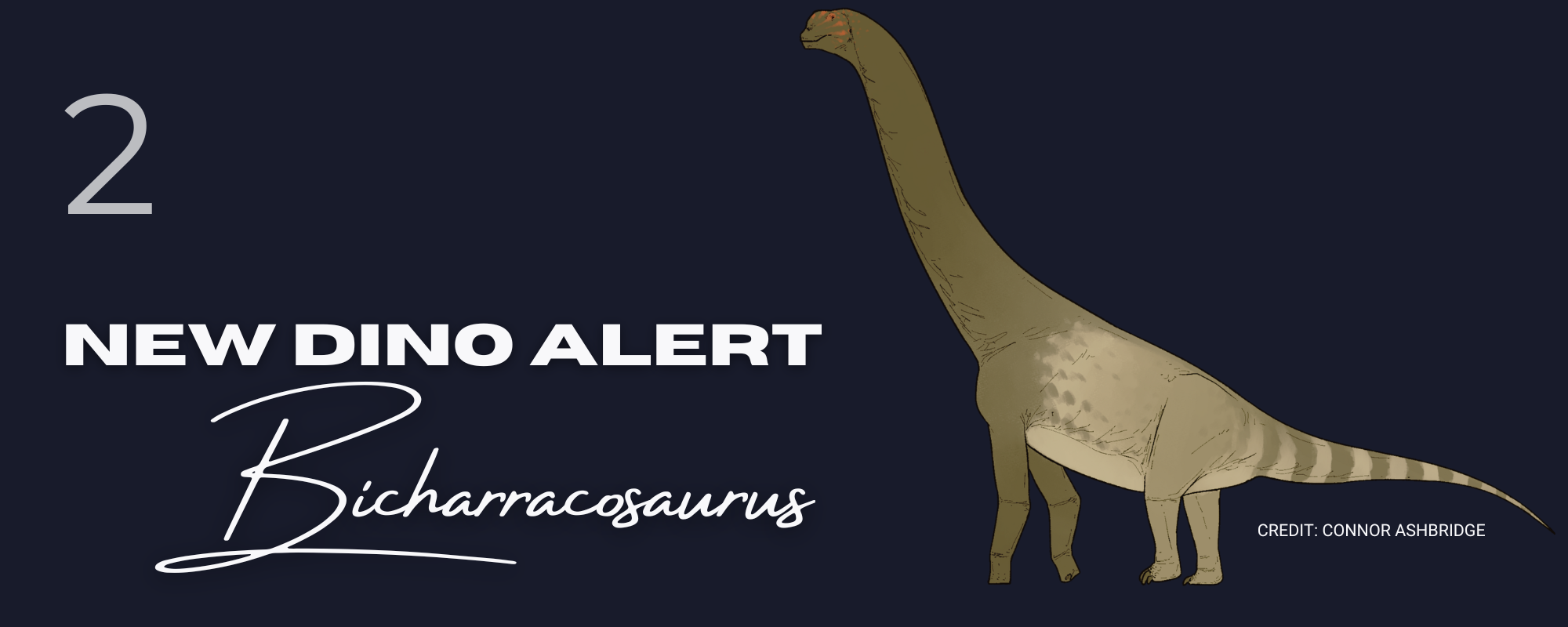
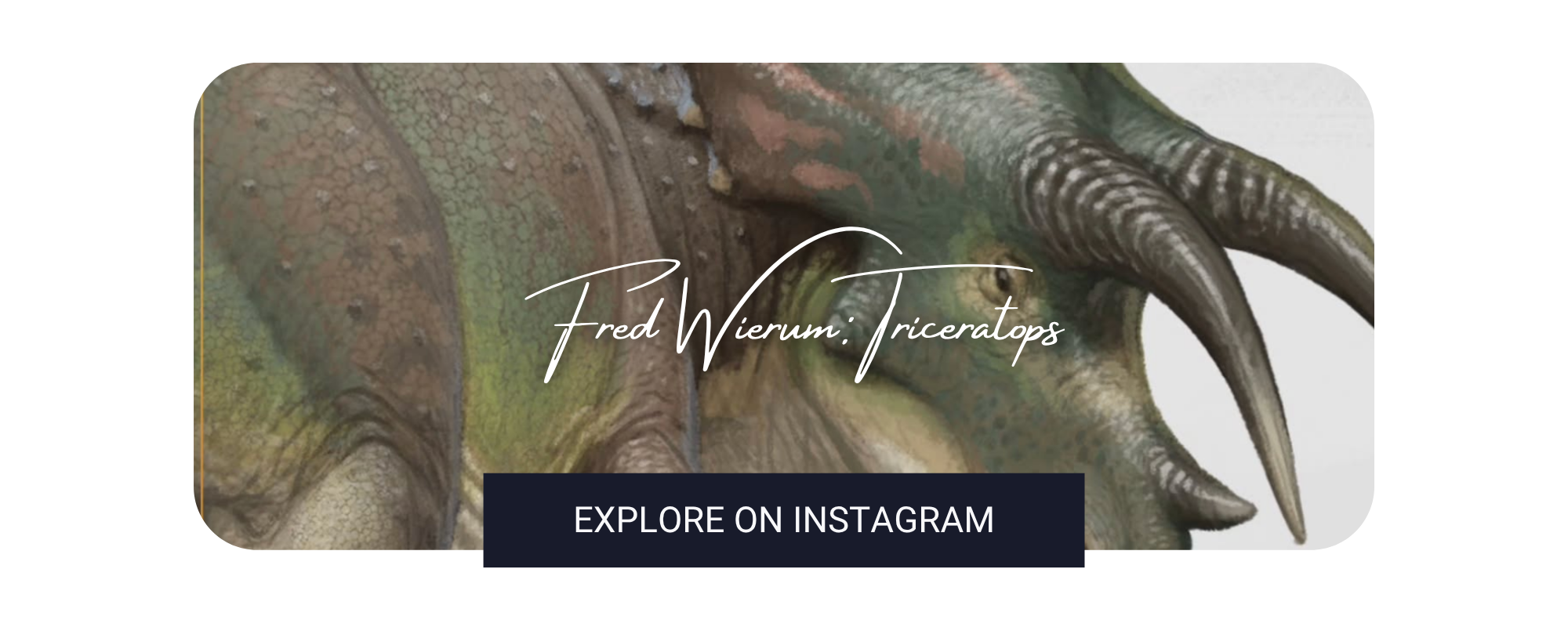
This new dinosaur was so big that its name literally means “big animal”. This is Bicharracosaurus and it lived in Argentina 157 million years ago. This type of long-necked dinosaur was a Macronarian, which all had huge nostrils on top of their heads, like Brachiosaurus. And as the name suggests, Bicharracosaurus was huge. It reached about 50 feet or 15 meters long and weighed 22 tons or 20 metric tonnes. That’s roughly the weight of three African elephants. During the late Jurassic, long-necked dinosaurs like these were in their prime especially in North America. But what’s even more interesting about Bicharracosaurus is that it is one of the only species that we know of from South America, which shows that these dinosaurs were crushing it across the globe.
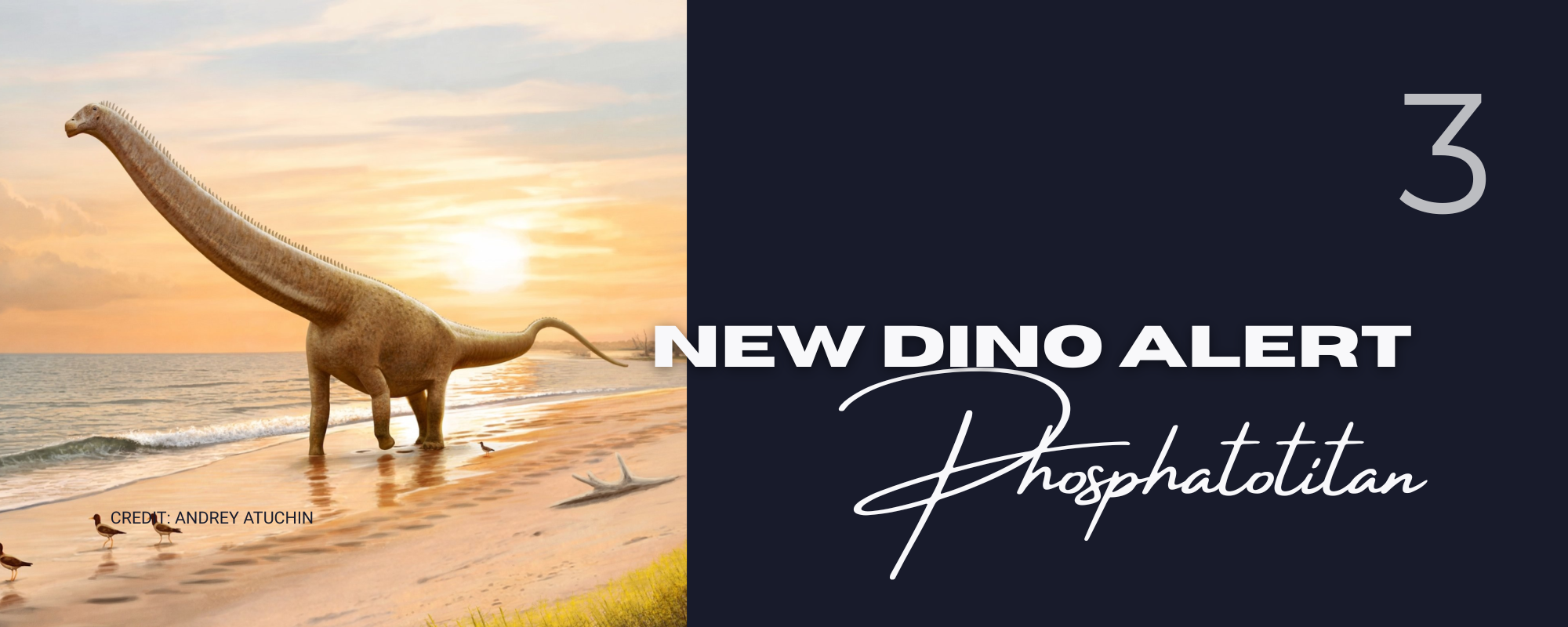
This new dinosaur lived in an entire miniature ecosystem. Phosphatotitan is a new species that lived in Morocco 66 million years ago, making it one of the last dinosaurs to exist. This dinosaur was a Sauropod, which were long-necked dinosaurs that became the biggest land animals to ever exist. Yet Phosphatotitan was totally different in that it was only about the size of a giraffe. While that's big by modern day standards, that makes it one of the smallest species to ever exist. However that's not all because every other dinosaur that lived in Morocco at this time, both herbivores and carnivores, was also a fraction of the size they should be. Why is that? 66 million years ago, Morocco was an island. On islands it's actually very common for animals to develop what's called insular dwarfism, where you get smaller to adapt to limited resources on an island.
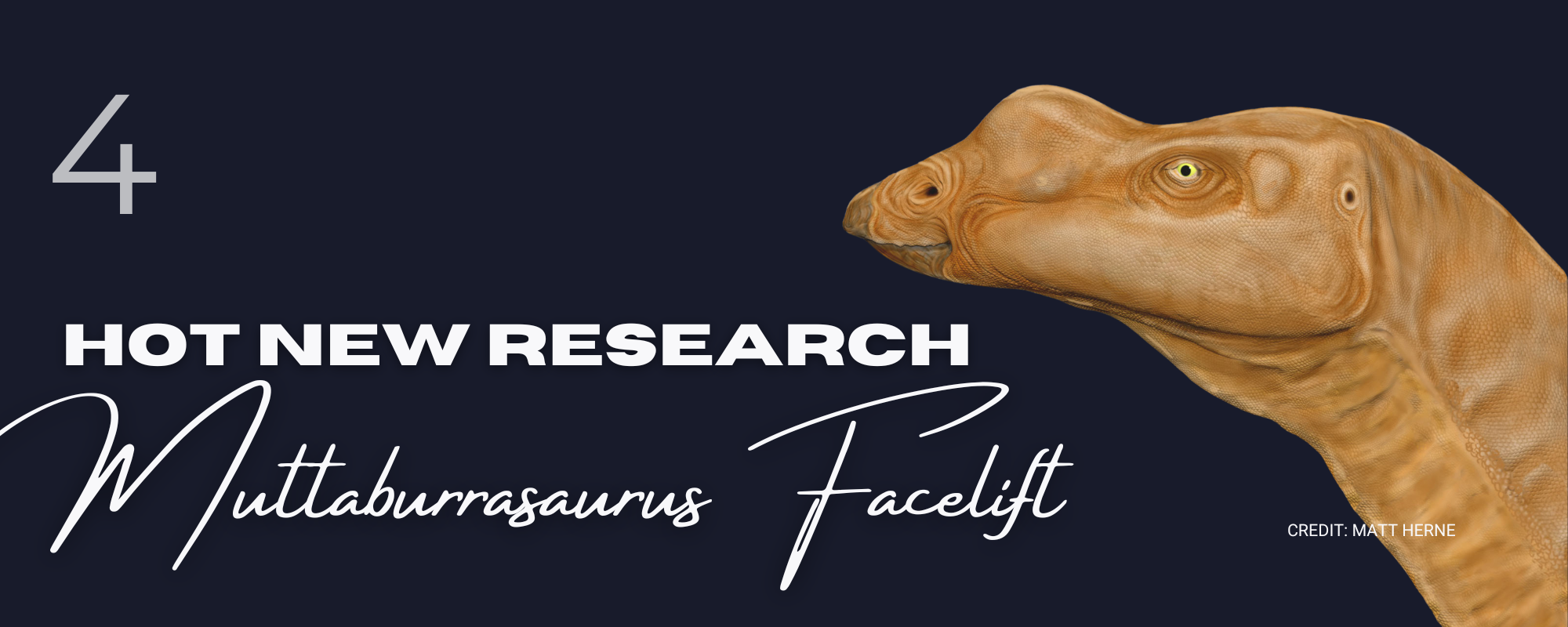
This dinosaur looks a lot stranger than we originally thought! Muttaburrasaurus is a large Australian relative of Iguanodon that is known for its rather unique skull. For years, the large knob on its snout has left scientists wondering if it housed massive fleshy nostrils or some type of extravagant crest. However, scientists have taken a thorough look at the skull of Muttaburrasaurus and found that it was neither! By CT scanning the skull, it was found that this species had a rather short snout and a large knob on its snout. This detailed view of the skull revealed that it had a surprisingly advanced sense of smell, wide field of vision, and the ability to hear low-frequency sounds. While this research completely changes how this dinosaur looks, it also shows how well adapted this dinosaur was for its Australian environment.
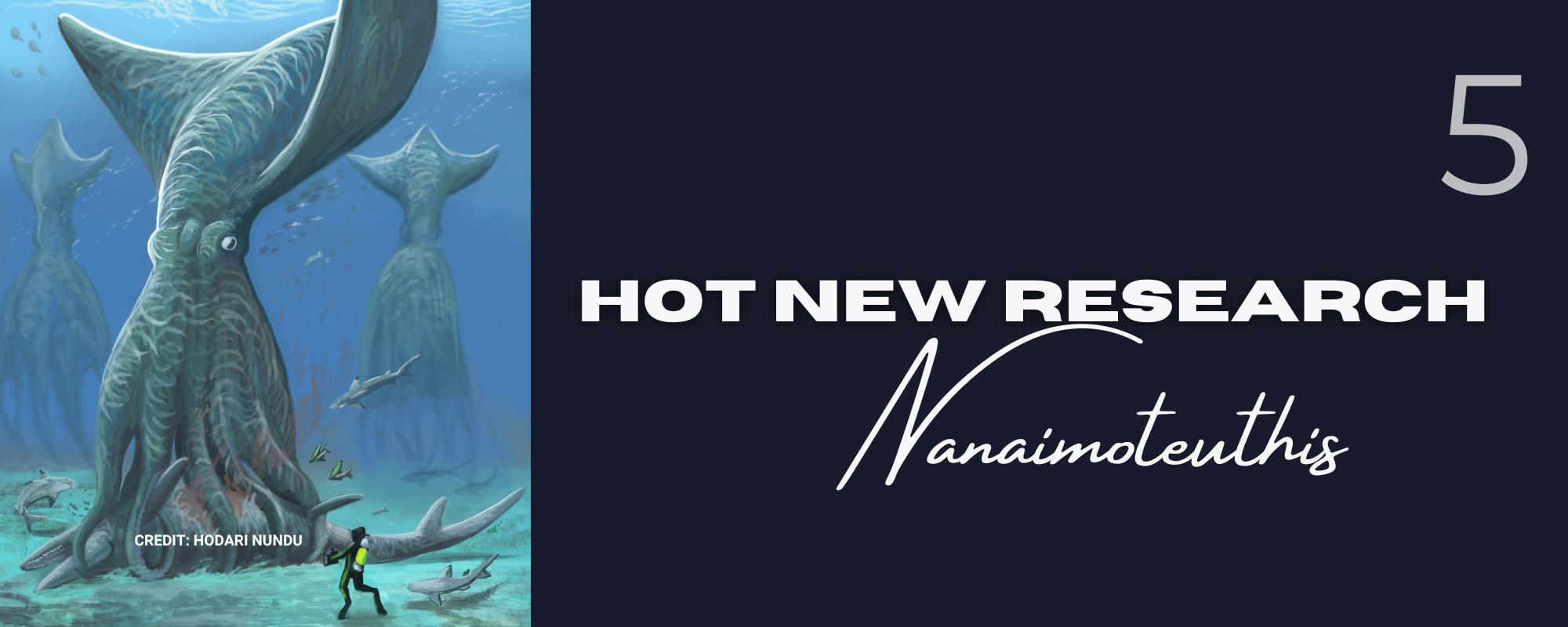
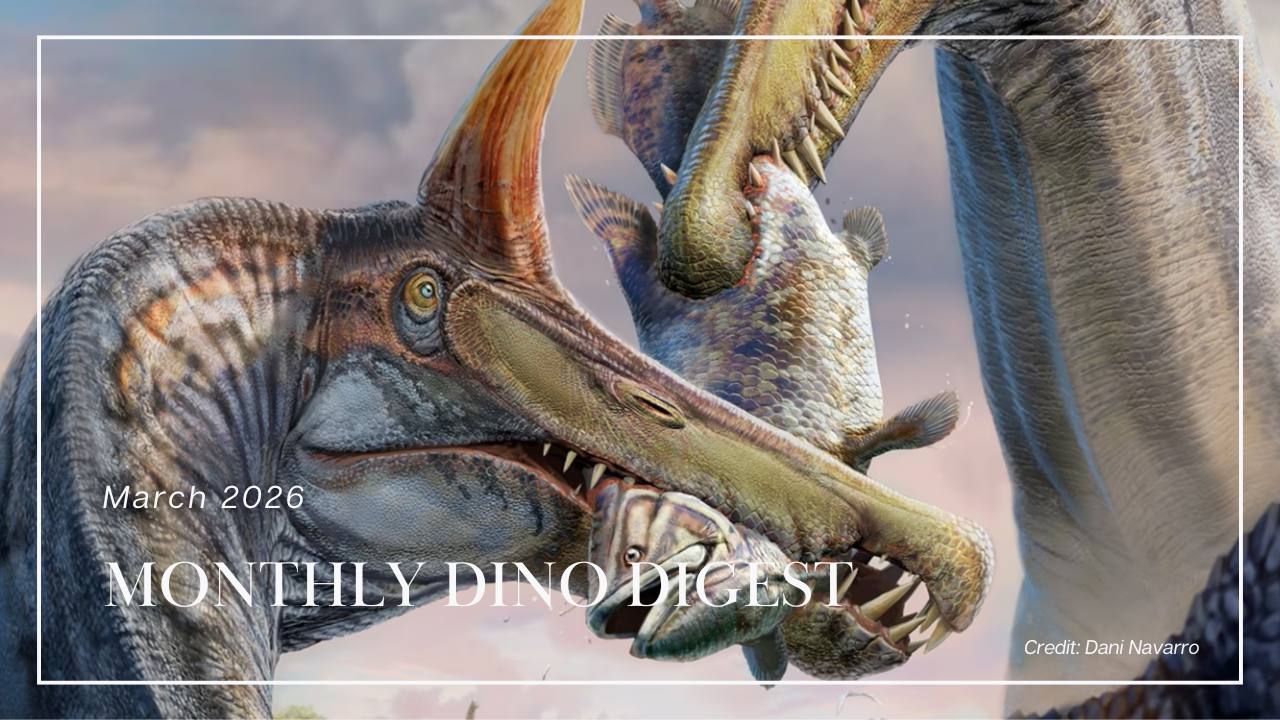
This new prehistoric animal was so terrifying that even T. rex would have been afraid of it. Nanaimoteuthis is a new species of giant octopus that lived off the coast of Canada and Japan during the Late Cretaceous. The oceans of the Late Cretaceous are notorious for being some of the deadliest waters with car sized fish, ravenous sharks, long-necked plesiosaurs, and of course the dominant mosasaurs. Yet Nanaimoteuthis blew all of them out of the water as it reached up to 61 feet or 18.6 meters long. Not only is this the biggest Octopus or squid to ever exist, it’s literally the biggest thing to have swam in the ocean during this time period! Its closest living relative today is the Vampire Squid, so based on this it likely was a bottom feeder that ate anything that drifted to the bottom. However, the Japanese specimens were found in deposits that were closer to the continental shelf, so it very well could have been an active hunter closer to the surface.


—
Q: What was the biggest dinosaur?
A: The biggest dinosaur was Argentinosaurus and it lived about 90 million years ago in Argentina. A whole skeleton of this dinosaur hasn’t been found, but based on what has been found, it’s estimated that this dinosaur could have been anywhere from 90 to 110 feet long! As for its weight, the most reliable estimate puts it at about 83 tons!
Q: What kind of degree do you need to get into paleontology?
A: Most schools don’t offer a Paleontology degree specifically. However, you can get a degree in either biology or geology and still study paleontology. What’s more important is that the school you are at has a paleontology lab, natural history museum, or other type of research program so that you have an opportunity to research dinosaurs.
Q: What forms of dinosaurs do you think could be undiscovered?
A: We won’t be able to find any type of dinosaur that lived in an erosional environment or just a non-depositional environment. This is because fossils are formed when sediments and dirt are laid on top of the bones and it’s kept from decomposing, which is very difficult in some environments. So that would be any dinosaur that lived exclusively in mountains, forests, plains, tundras, and jungles. We may never find dinosaurs in these environments.


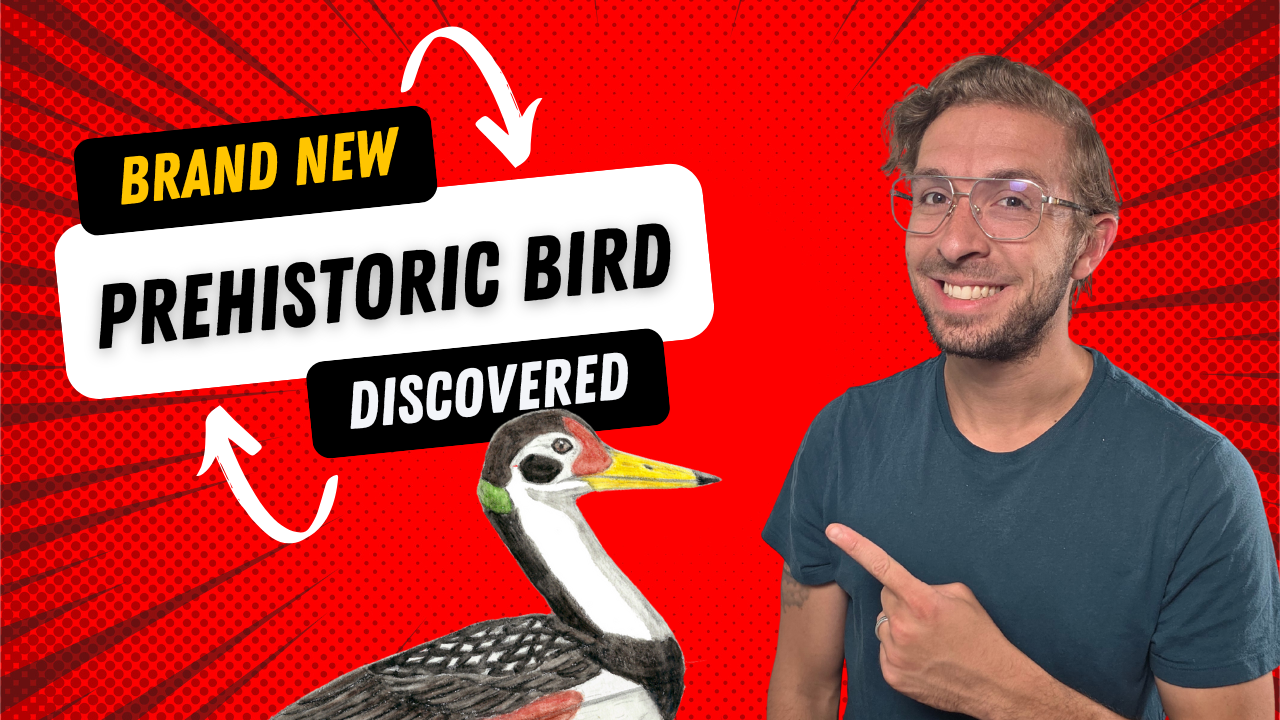
New Fossils from Antarctica Rewrite the Origin of Modern Birds
Watch the full video now 👆🏻



THANKS FOR BEING A PART OF THE DINO GANG,


Responses