Hi Dino Gang,
What a month packed with incredible moments and major milestones!
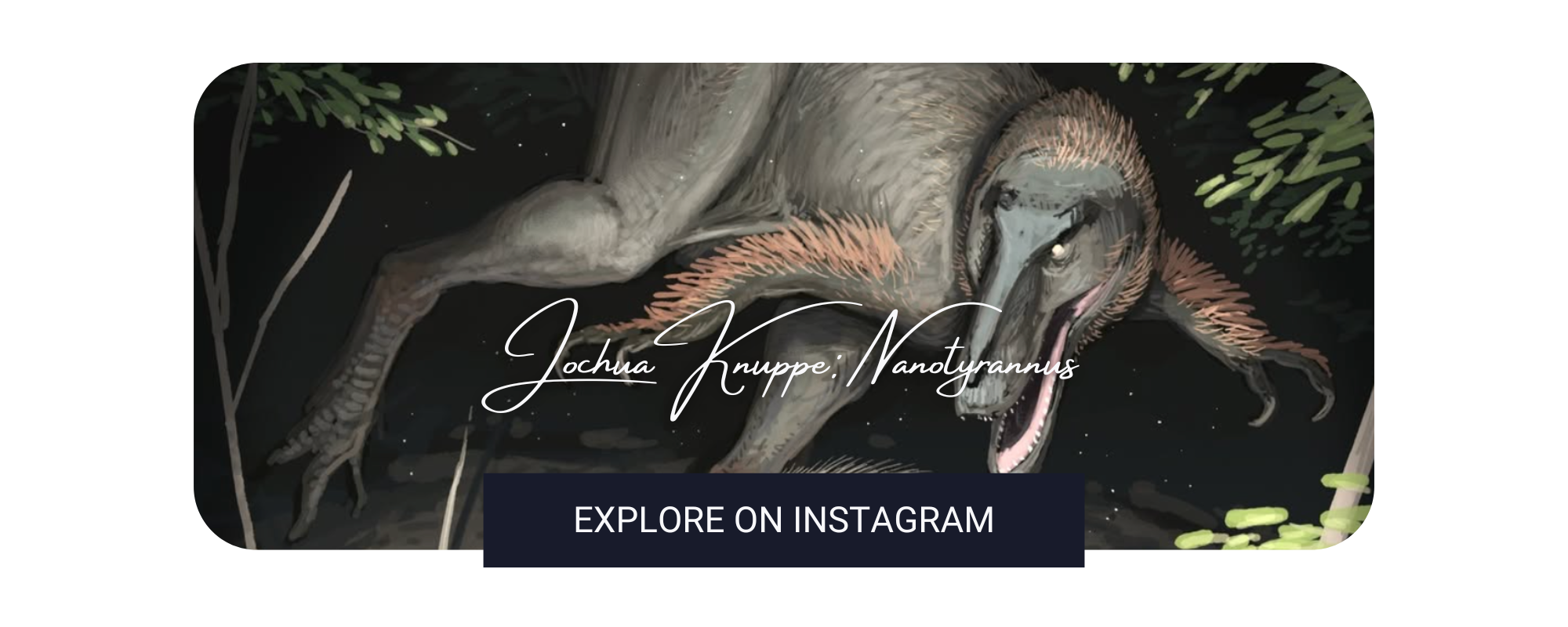
First, I had the chance to attend the press conference announcing that Nanotyrannus is officially recognized as a valid genus! It was surreal being back at my old stomping grounds at the North Carolina Museum of Natural Sciences and reconnecting with the team and finally seeing the brand-new Dueling Dinosaurs exhibit in person. The new prep lab is absolutely one-of-a-kind; it’s the only lab in the country where you can chat with the scientists and see the fossils up close, without any barriers. If you’re near Raleigh, you’ve got to check it out!
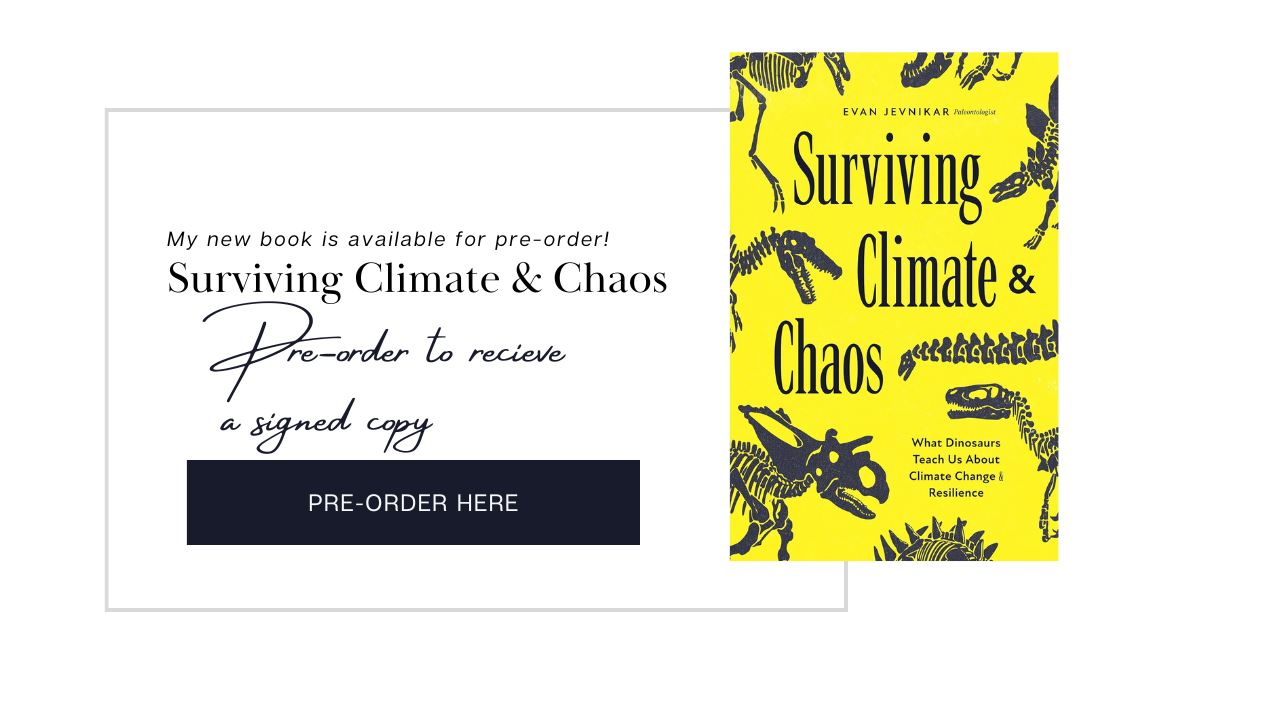
And in equally bigger news… I finally got to announce my new book, Surviving Climate and Chaos, which is available for pre-order now! This project has been over a year in the making, exploring how 180 million years of climate change shaped the evolution of dinosaurs and what their story can teach us about our planet today. I feel like most paleontologists know that climate change affects evolution, but actually sitting down and connecting all the dots was an eye-opening experience. I learned so much and had such a greater appreciation for the story of dinosaurs!
If you pre-order through Key Lime Publishing, you’ll get a signed copy as a thank you for being part of this amazing community.
So scroll on, because if you thought you knew how dinosaurs lived, fought, and evolved … think again 👇

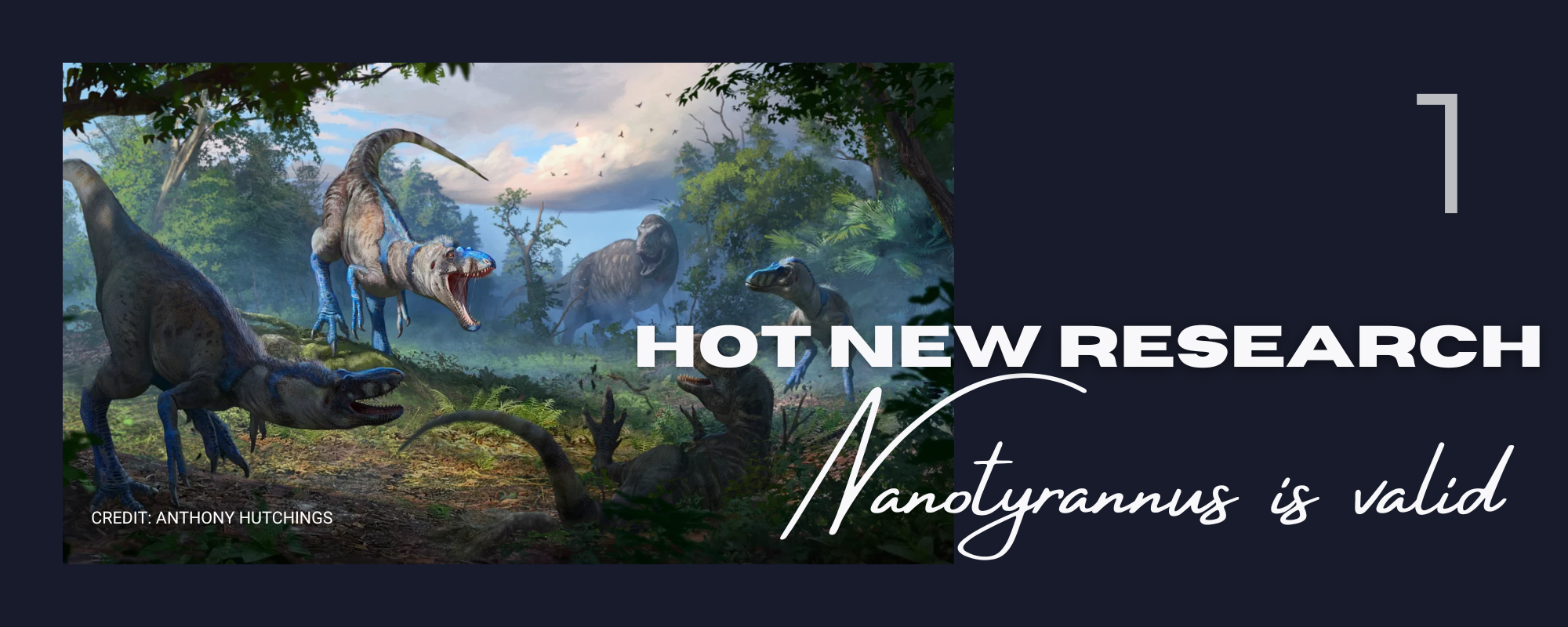
A nearly century long debate is finally and definitively put to rest: Nanotyrannus is a valid species! I was lucky enough to go to the press conference for this discovery where Dr. Zanno laid out several lines of evidence that these dinosaurs were not juvenile T. rex. These specimens were actually slowing their growth despite being much smaller, they had the same sized arms yet were different in proportions, and they had less tail vertebrae than adult T. rex. The research on Nanotyrannus also revealed that there were not just one, but two species, one being the original N. lancensis and another being a new species called N. lethaeus. This reveals that T. rex wasn’t the only predator in its environment and that there were several other tyrannosaurs that were adapted for pursuit rather than bone-crushing strength.
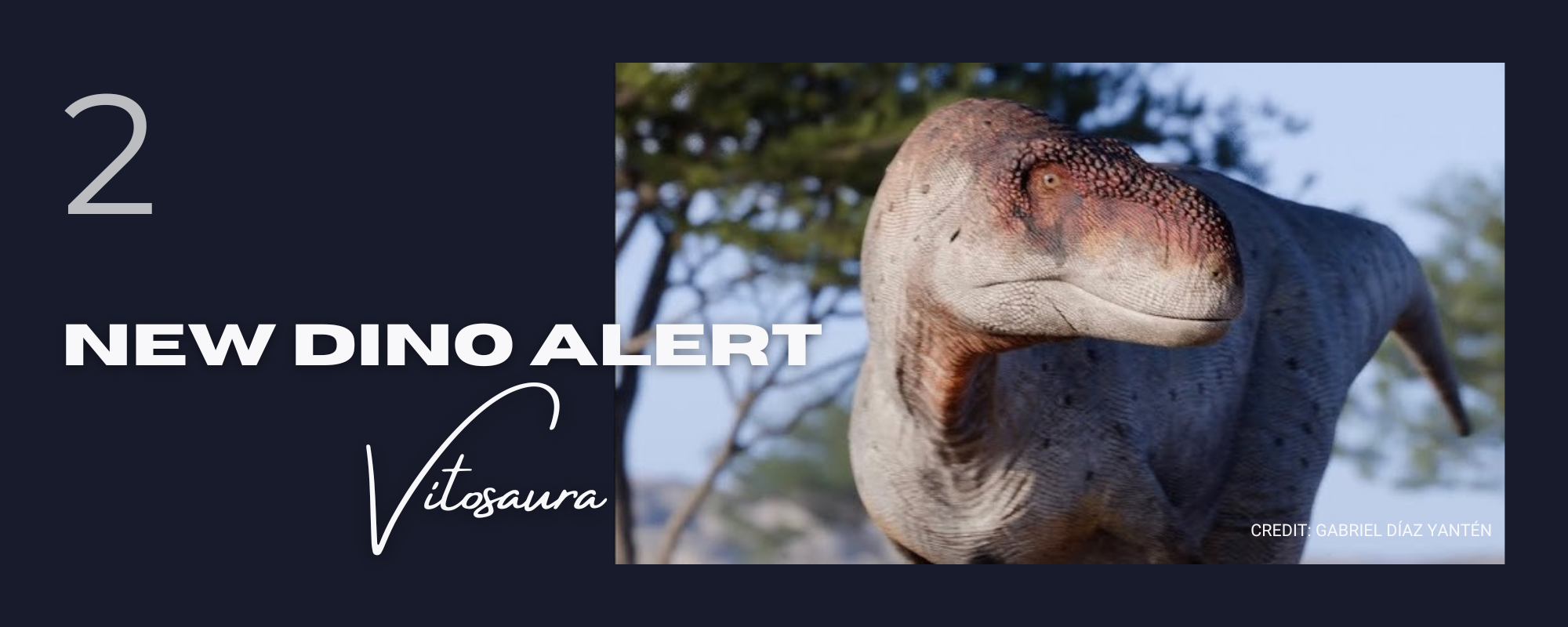
A new dinosaur was discovered and it was found in a place we were not expecting! Vitosaura is a new carnivorous dinosaur that lived in Argentina 77 million years ago. The reason this dinosaur is so interesting is because it’s specifically an Abelisaur. Within South America, these small armed predators only lived in Patagonia, which is the southern tip of the continent. But Vitosaura was found over 700 miles or 1100 km North of Patagonia. This extends the range of Abelisaurs and suggests that they could inhabit much warmer environments. But because Vitosaura was significantly smaller than most Abelisaurs, this may mean that these predators shrank in size as they got closer to the equator.
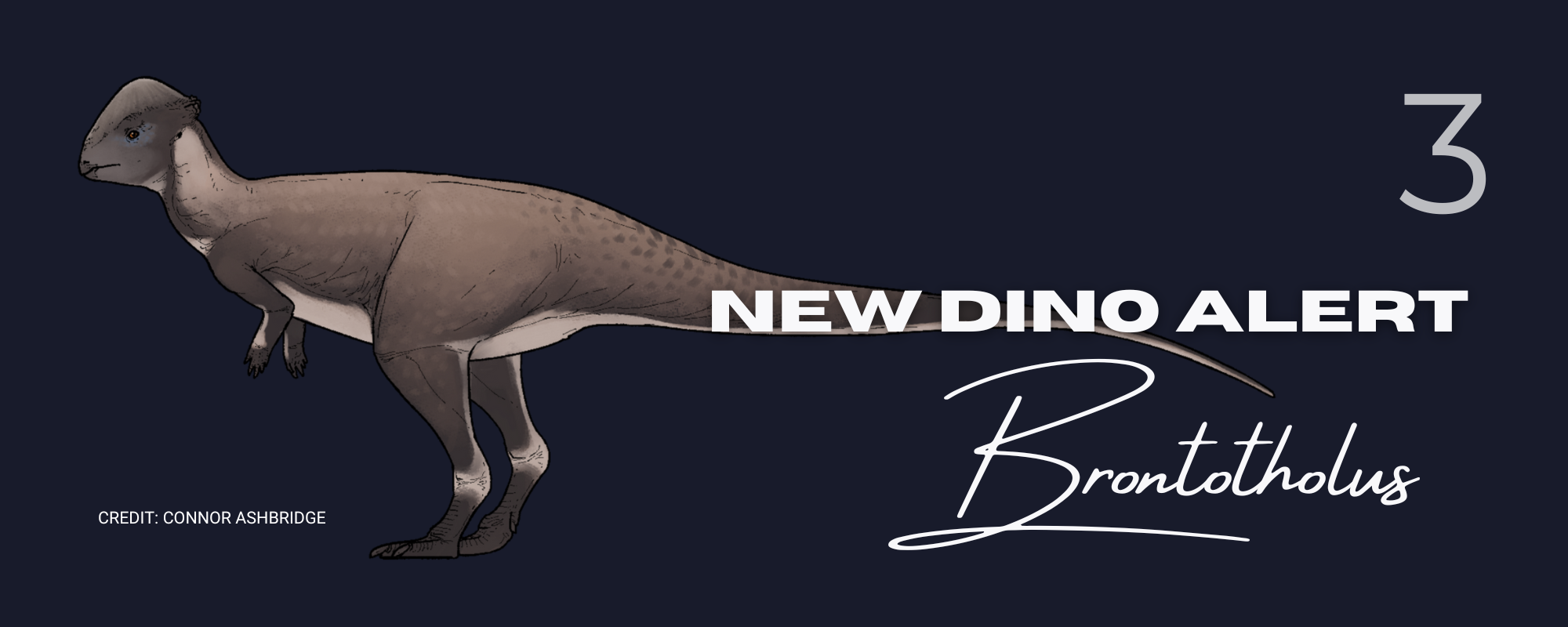
A new dinosaur was discovered and it would have messed you up in a fight! Brontotholus is a new pachycephalosaur that lived in Montana 75 million years ago. Brontotholus literally translates to “Thunder Dome" and it’s no wonder why: it had a thick domed head like its cousin that could cause some serious damage. It was the third largest dome-headed dinosaur in the world and it was likely about 660 pounds or 300 kg This would also mean it could probably reach speeds up to 35 mph or 57 km/h. Put that mass, speed, and domed head together with Newton’s laws and this guy could deliver roughly 5,400 pounds of pressure if it rammed into you. That’s over six times more powerful than the ramming power of a big horn sheep!
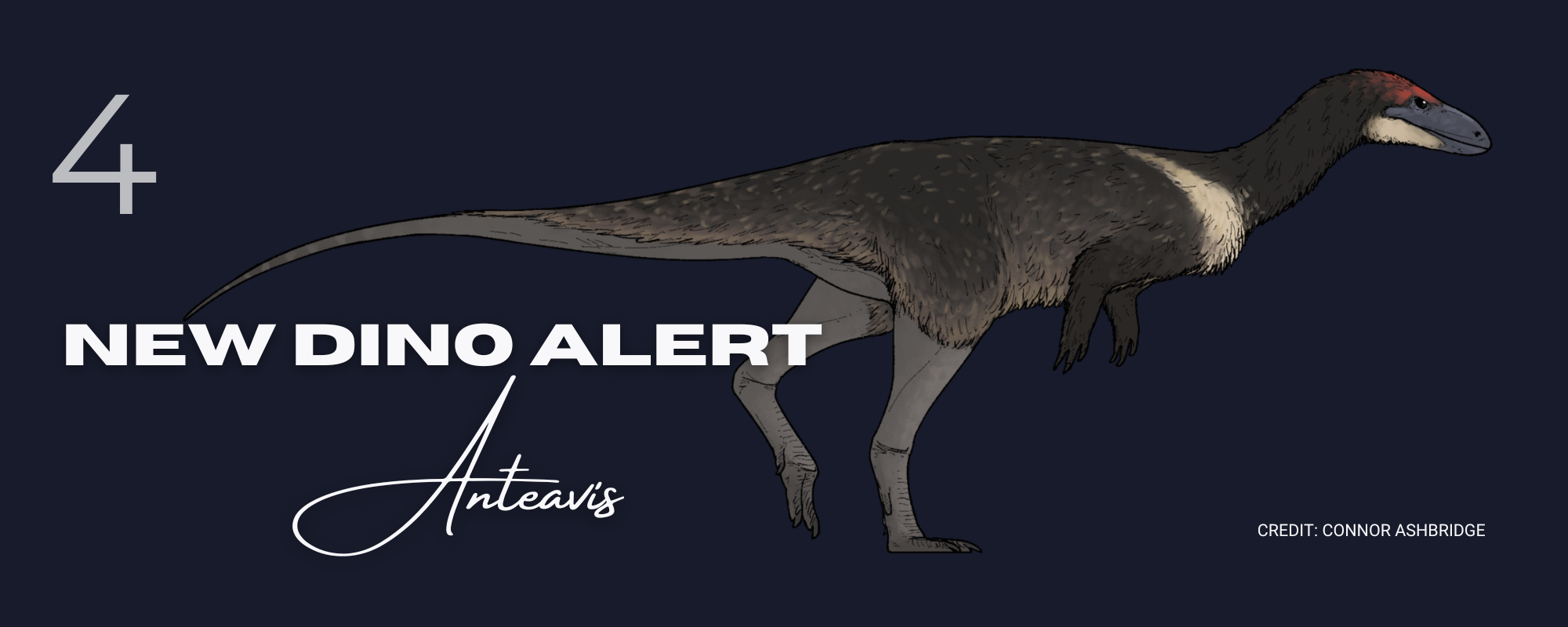
A new dinosaur was discovered and it reveals how dinosaurs ended up dominating the world! Anteavis is a new early dinosaur that lived in Argentina about 228 million years ago. Anteavis lived during a very important moment in the Triassic Period when climate change was completely changing Pangea. Earth had just transitioned out of the Carnian Pluvial Episode, where it experienced global monsoons for over a million years straight. These constant monsoons transformed Pangea from a hot and dry desert into a more humid environment. This was horrible for most of the reptiles that lived during the Triassic, but it was the best thing that could happen for dinosaurs like Anteavis. Dinosaurs began to diversify and went from being obscure animals to staples in every environment.
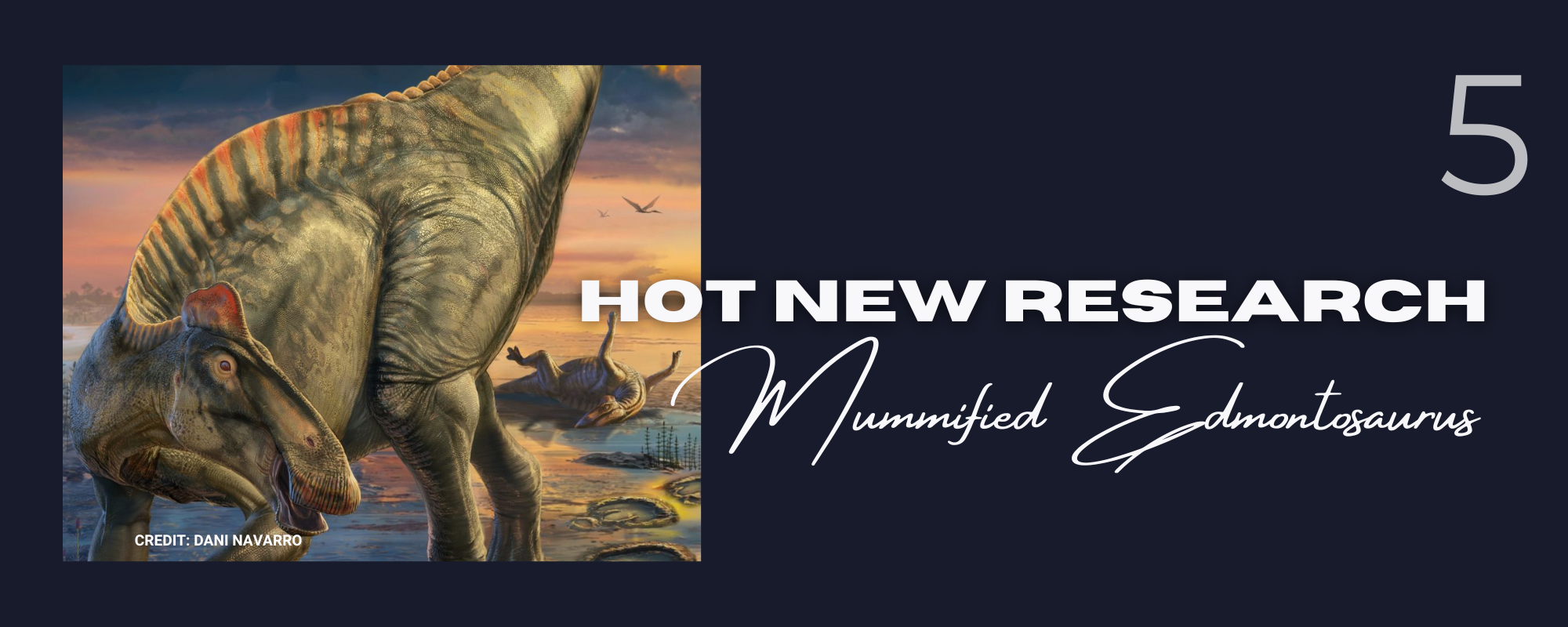
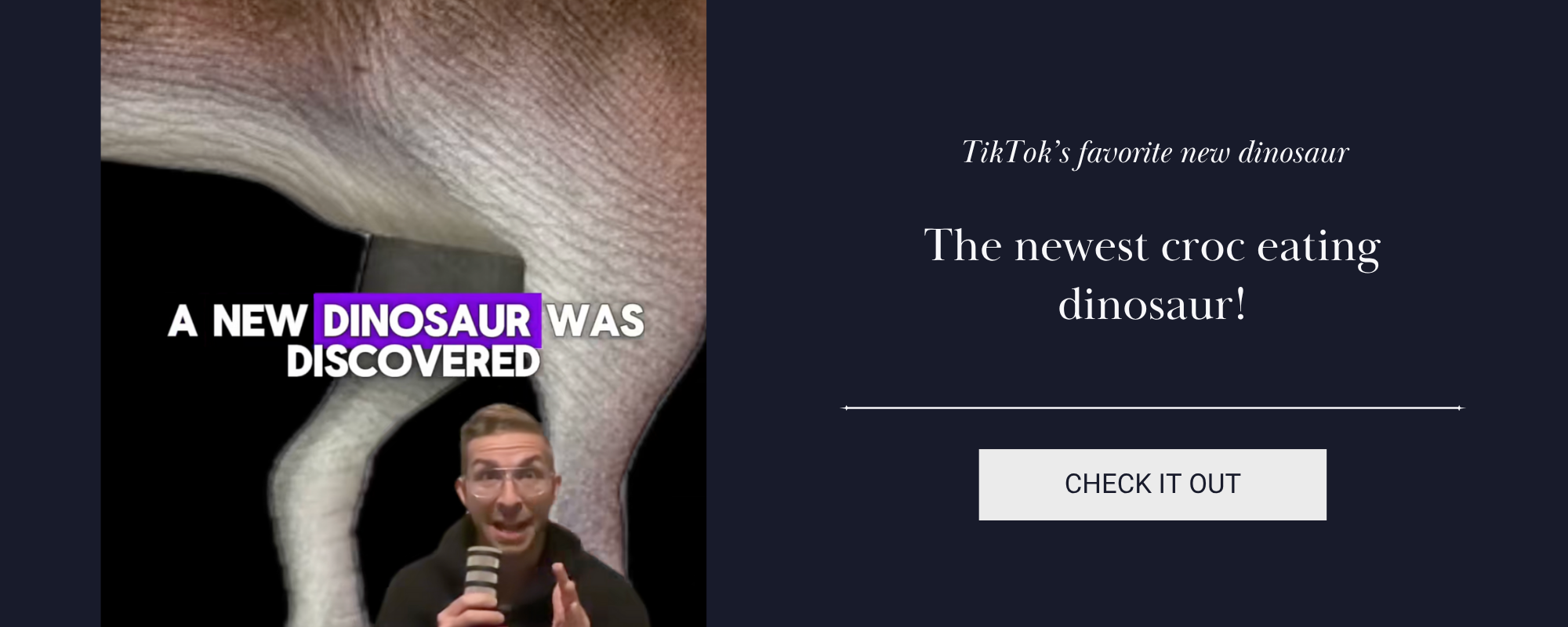
A mummified dinosaur reveals the most in depth image of a dinosaur ever! Mummified Edmontosaurus specimens are not new, but a recent specimen is the most completely preserved mummy ever found and reveals soft tissue that was previously unknown. This specimen revealed the exact scale pattern and padding of the front hooves and back feet. Additionally, it was revealed that the back of this dinosaur had scaly wedges going down to the tail, similar to the spikes of iguanas and other lizards. Finally, these mummies preserved a soft fleshy sail that spanned from the middle of the back up to its neck. These mummies show just how much of a dinosaur's appearance may be lost through fossilization and how fascinating they really were!


—
Q: How did dinosaurs go extinct all at once?
A: While it seems like they went it extinct all at once, in reality this extinction event lasted anywhere from a hundred years to just under a million years. The meteorite impact explosion was bigger than any nuclear bomb and likely caused massive earthquakes, tsunamis, and wildfires. These surely killed some dinosaurs instantly. But even worse than that, all of the debris blocked out the sun and plunged Earth into darkness and caused a cold snap. This meant plants couldn’t grow, which resulted in herbivores dying, which then resulted in carnivores dying off. This cold snap and resulting starvation wasn't instant and lasted for years until the Earth warmed up.
Q: How do you feel about reconstructions based on a few bones?
A: With so many fossils and research done over the past 200 years, I feel pretty confident about reconstructions. We know so much that we can get a good idea of what a dinosaur looks like. If we know the family or group of dinosaurs a single fossil belongs to, we can hypothesize pretty accurately how it would be reconstructed. However, our knowledge is always changing. The most recent mummified Edmontosaurus shows that even dinosaurs we know very well had many unique and strange soft tissue features we wouldn't expect. Nothing is quite set in stone!
Q: Can we bring dinosaurs back?
A: Yes, but it wouldn't be exactly like Jurassic Park. There's been a lot of research today on bringing back Woolly Mammoths using frozen DNA. However, with dinosaurs, it would be much different since DNA doesn’t preserve for that long. Instead we would have to reverse engineer bird DNA back into dinosaurs. There's already been experiments to show its possible! Researchers have turned off bird genes and turned on more ancestral dinosaur genes to give chicken embryos a bony tail in one experiment and teeth in another.


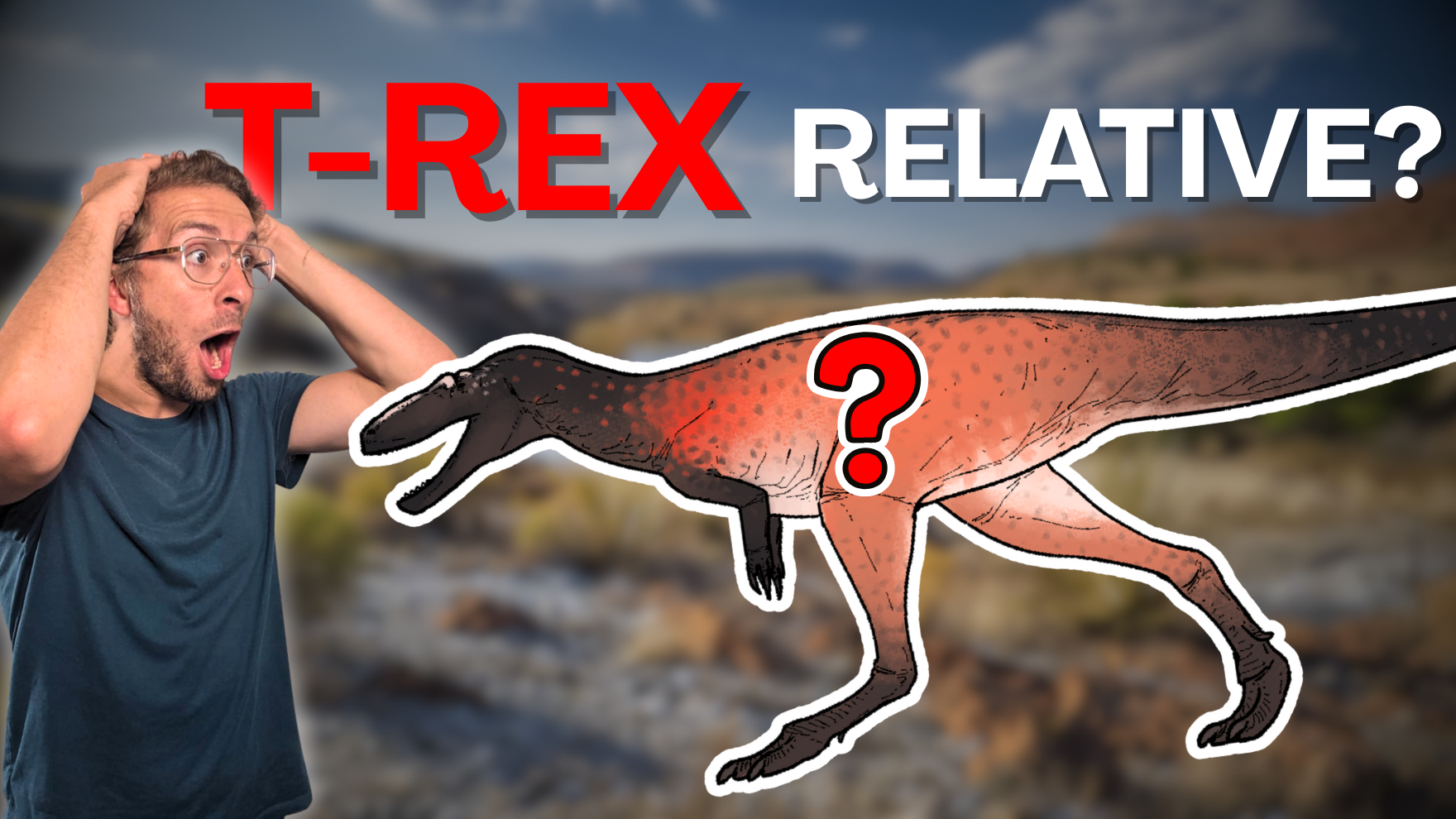
6 Brand New Dinosaurs Discovered in 2025 (Including a Tiny Islander!) Watch the full video now 👆🏻


THANKS FOR BEING A PART OF THE DINO GANG,


Responses