
Hi dino gang,
It's officially fall (Autumn for all my non-Americans) here in North Carolina, and while it's just starting to cool down a little bit, the rate at which paleontologists have been publishing new research is on fire 🔥.
This month's newsletter is jam-packed with new dino discoveries, new research addressing controversial theories, incredible art, and so much more, included below. Before we dive in, I wanted to let you know that I'm hosting a FREE masterclass on newly discovered dinos later this month.
As a subscriber, you'll get first access to signup once I release the details and signup link. So keep your eyes on your inbox over the next few weeks because some exciting things are coming your way!
Want more daily dino guy? I launched TikTok last month and am SO excited to be growing so quickly, so be sure to give me a follow over there if you haven't already!
It's officially fall (Autumn for all my non-Americans) here in North Carolina, and while it's just starting to cool down a little bit, the rate at which paleontologists have been publishing new research is on fire 🔥.
This month's newsletter is jam-packed with new dino discoveries, new research addressing controversial theories, incredible art, and so much more, included below. Before we dive in, I wanted to let you know that I'm hosting a FREE masterclass on newly discovered dinos later this month.
As a subscriber, you'll get first access to signup once I release the details and signup link. So keep your eyes on your inbox over the next few weeks because some exciting things are coming your way!
Want more daily dino guy? I launched TikTok last month and am SO excited to be growing so quickly, so be sure to give me a follow over there if you haven't already!
FOLLOW @THEDAILYDINOGUY ON TIKTOK
Okay, now let's dive in ⤵️

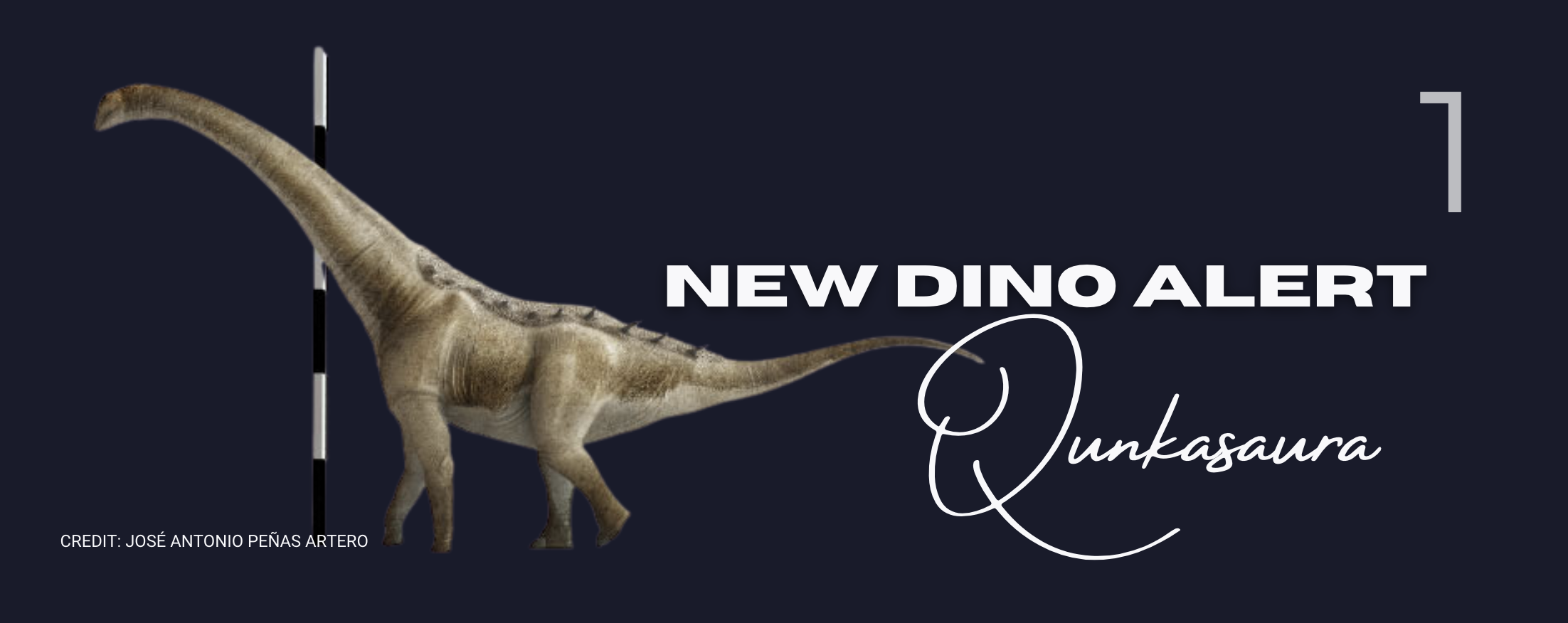
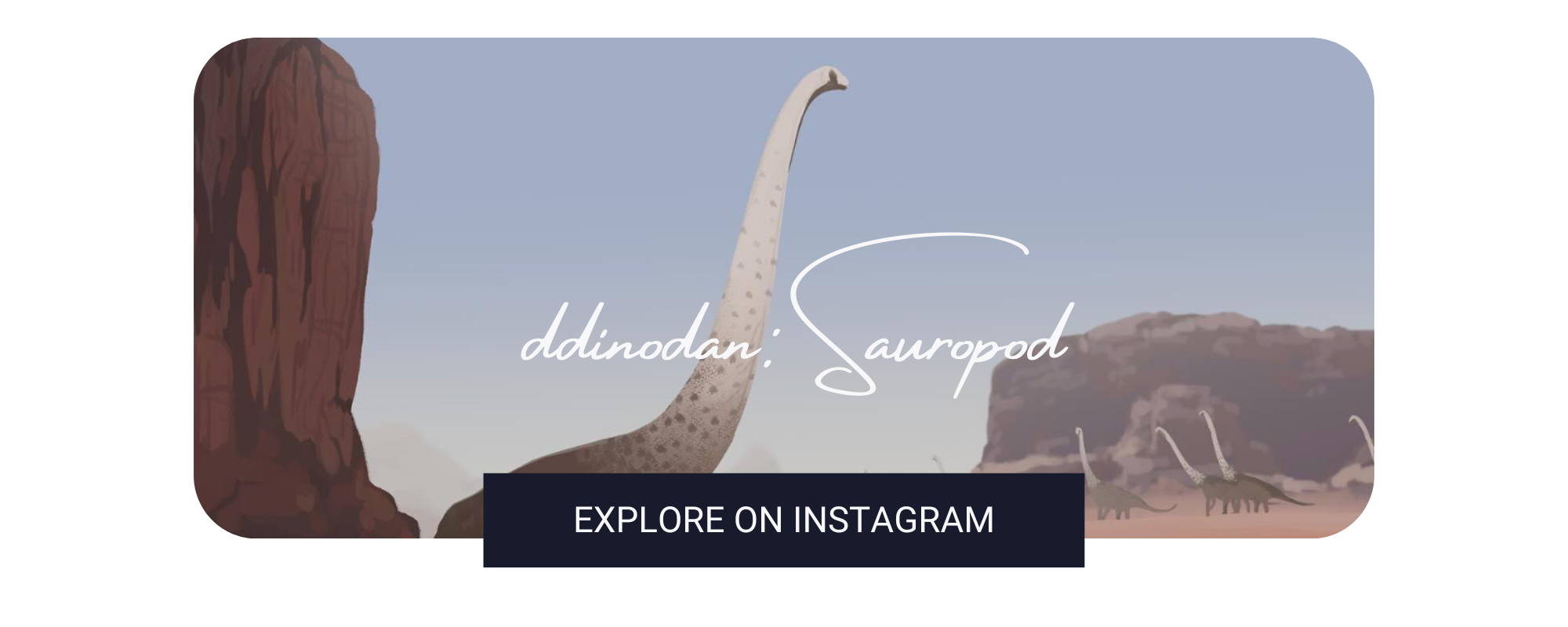
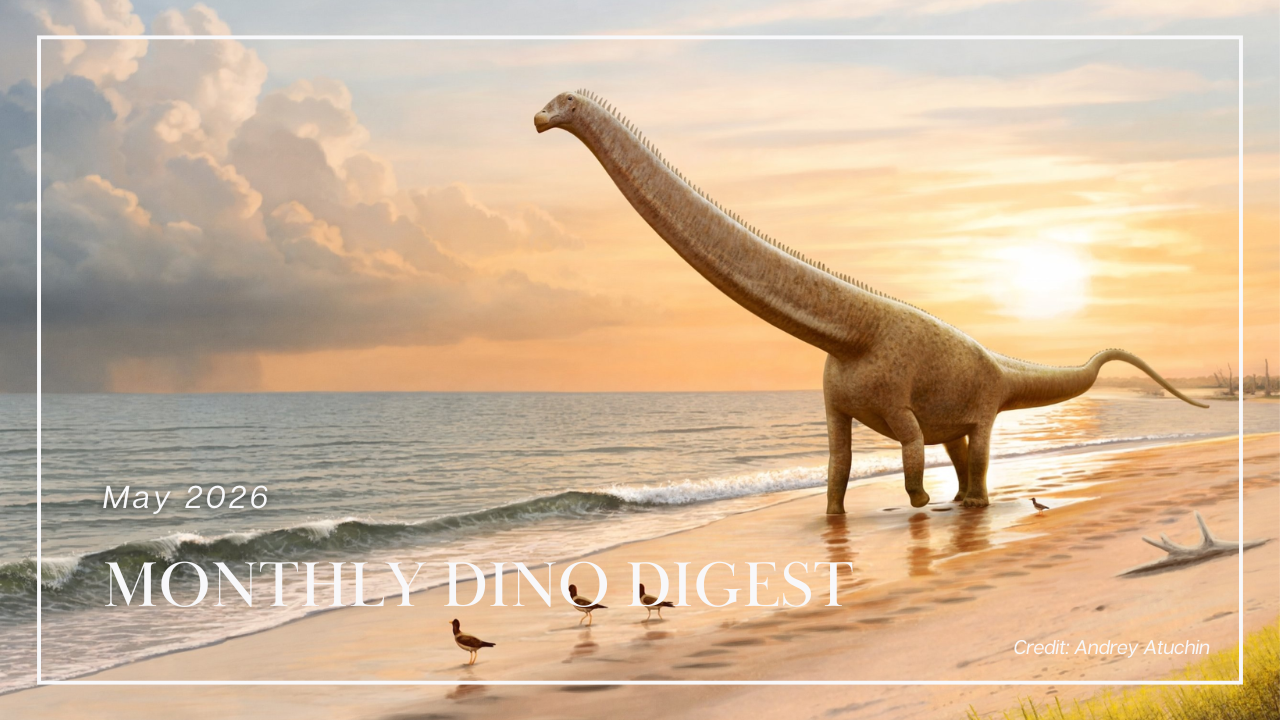
A new dinosaur was found and it was in a place that scientists were not expecting. Qunkasaura is along-necked dinosaur that lived in Spain 72 million years ago. This dinosaur was relatively small for a sauropod - roughly the size of a Giraffe - and had a short body. What’s interesting about this dinosaur is that sauropods were quite rare in Europe at this time. What’s more, it looked very similar to Asian sauropods of the time. Therefore, the authors think that Qunkasaura reveals that Asian sauropods migrated into Europe at the end of the Cretaceous.
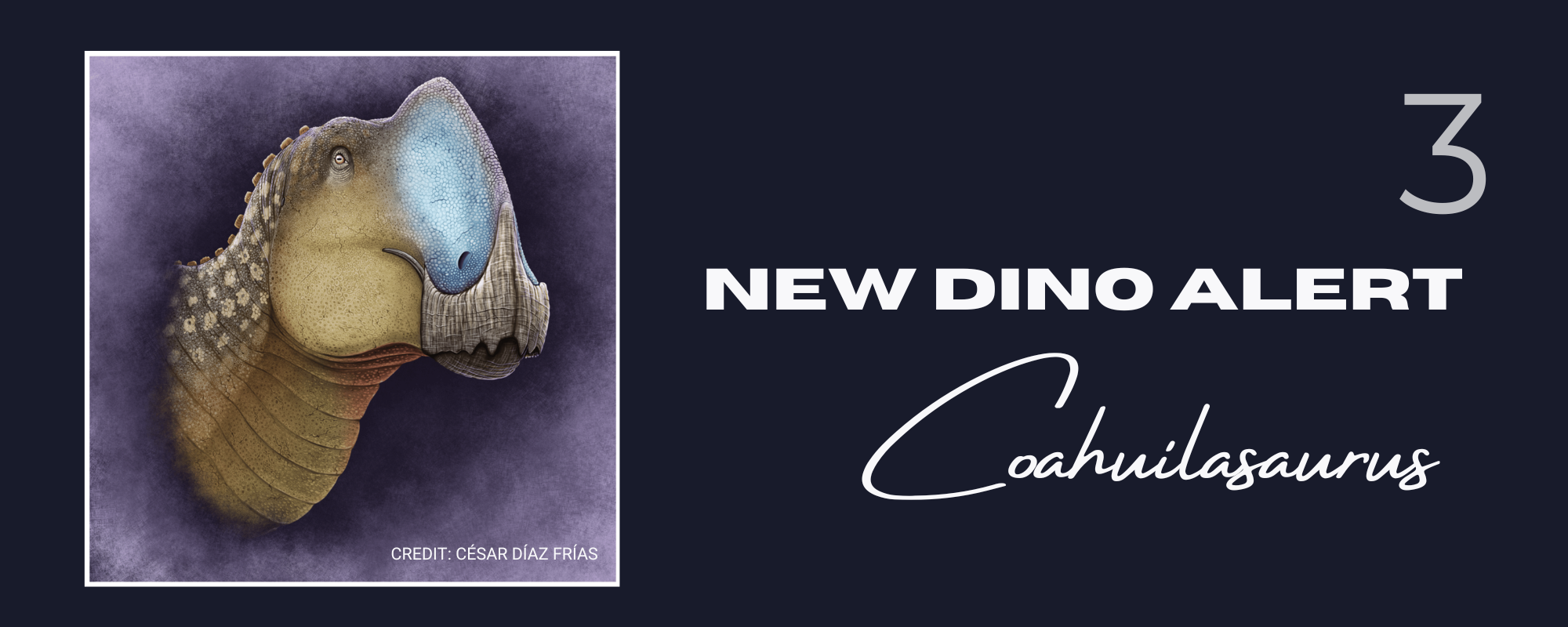
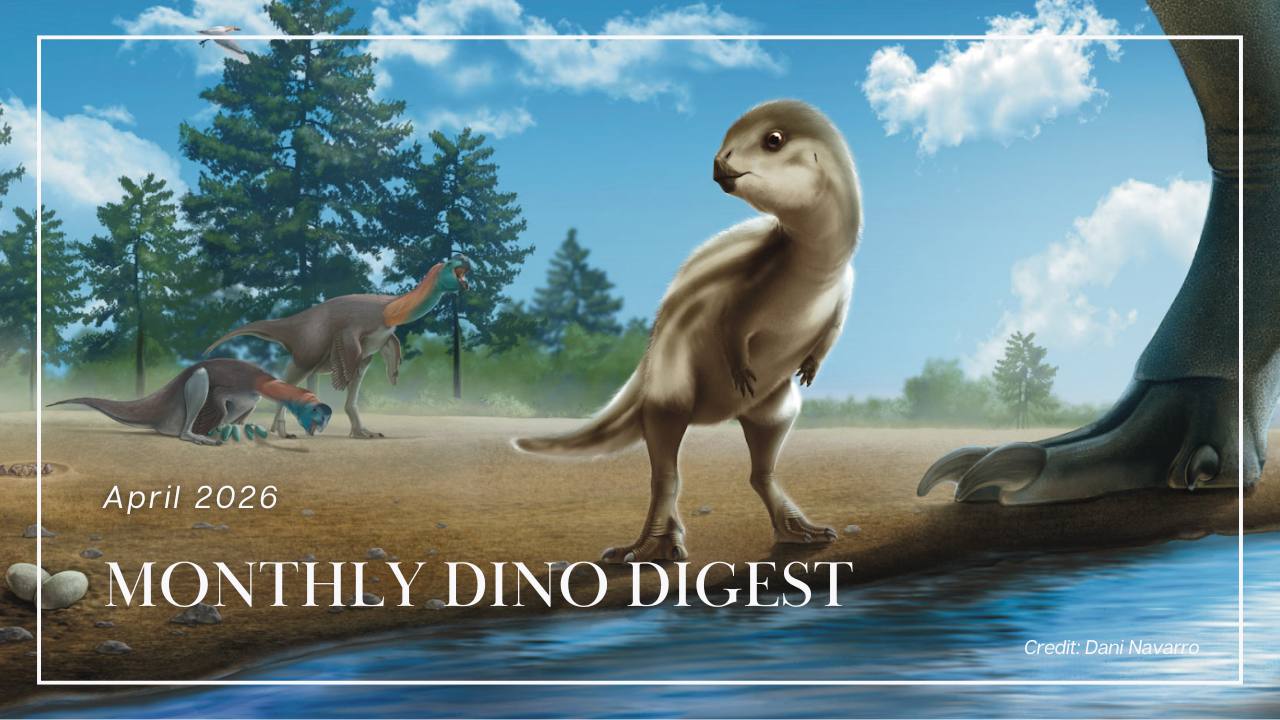
A new dinosaur was discovered and it had a massive nose! Coahuilasaurus is a plant-eating dinosaur that lived in Mexico 72 million years ago. It would have been roughly 26 feet (8 meters) in length and sported a huge nose. What’s interesting about Coahuilasaurusis that it reveals how its relatives lived in specific environments. The large nose hadrosaurs that Coahuilasaurus was a part of (Kritisaurini) have been found to have lived along prehistoric coastlines. Because this dinosaur lived in Mexico, it would have been hunted by Labocania.

One of the most comprehensive climate models has been made and the results are surprising! A new reconstruction of global temperatures shows that Earth’s temperature has varied between (11°-36°C) over the past 485 million years. This variability is way higher than what was originally known and indicates a more dynamic climate throughout history. This research was also really neat in that it broke down Earth’s history into multiple climate types ranging from ice ages to hot ages. It revealed that Earth spent most of its time in warmer climates.

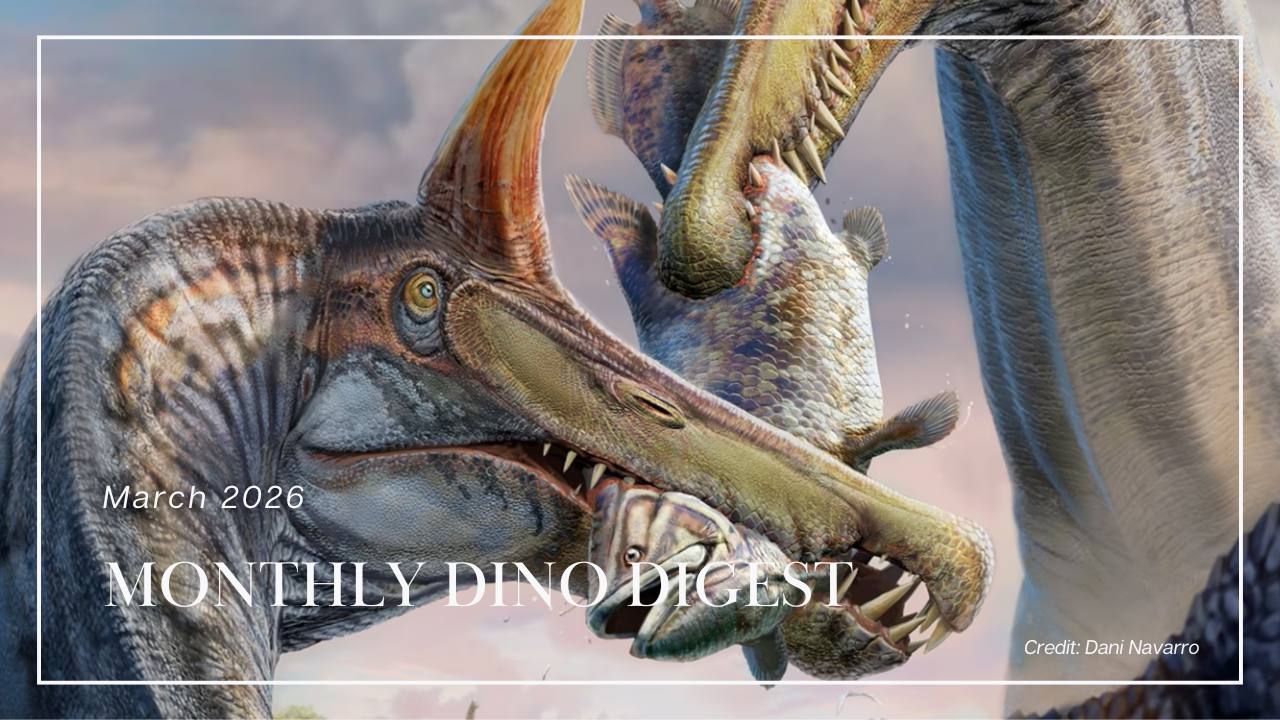
A new dinosaur was discovered and it was a cousin of T. rex! Labocania aguillonae was a meat-eating dinosaur that lived in Mexico 72 million years ago. This tyrannosaur was about 20 feet (6.3 meters) long with a powerful jaw for crushing its prey. What’s unique about this dinosaur is that it reveals a whole new group of tyrannosaurs to have existed in Mexico and the American Southwest. These tyrannosaurs, literally known as the “Monstrous Muderers” (Teratophoneini), are unique from other Tyrant Lizards for their unique teeth, hips, and eyebrows. It would have hunted down horned dinosaurs and large duck-billed dinosaurs.
A new dinosaur was discovered and it had a massive nose! Coahuilasaurus is a plant-eating dinosaur that lived in Mexico 72 million years ago. It would have been roughly 26 feet (8 meters) in length and sported a huge nose. What’s interesting about Coahuilasaurusis that it reveals how its relatives lived in specific environments. The large nose hadrosaurs that Coahuilasaurus was a part of (Kritisaurini) have been found to have lived along prehistoric coastlines. Because this dinosaur lived in Mexico, it would have been hunted by Labocania.
One of the most comprehensive climate models has been made and the results are surprising! A new reconstruction of global temperatures shows that Earth’s temperature has varied between (11°-36°C) over the past 485 million years. This variability is way higher than what was originally known and indicates a more dynamic climate throughout history. This research was also really neat in that it broke down Earth’s history into multiple climate types ranging from ice ages to hot ages. It revealed that Earth spent most of its time in warmer climates.

Even though dinosaurs ran on two legs like us, they had a completely different way of running. Dinosaurs, like modern birds, always have one foot on the ground when they run, unlike us who can be briefly airborne when running. However, this way of running seems to be less efficient so why would dinosaurs evolve to run this way? One group of scientists looked at how Emus ran and realized that our whole view on running efficiency was backwards. Because of an Emu’s anatomy, it’s actually impossible to move its legs to a near vertical position like humans. Therefore, running like a human wouldn’t be efficient or even possible for dinosaurs, making the “grounded running” method the best way for dinosaurs to run.


MONTHLY FAQ's
—
Q: Is a chicken the closest relative of T. Rex?
A: This is actually a common misconception. Chickens are birds and, as a whole, all birds are equally close relatives to T. rex. This is because birds all share a common ancestor. This means that Ostriches, Penguins, and Sparrows would also be considered the closest living relatives to T. rex. However evolution exists on a gradient, so birds are not actually very related to T. rex given how much has changed between their relatives in the past 66 million years! The closest relative in general to T. rex would be its equally large and fearsome cousin from the American Southwest, Tyrannosaurus Mcraeensis.
Q: What was the smallest dinosaur?
A: Technically the smallest dinosaur is the humming bird since all birds are dinosaurs! But the smallest non-bird dinosaur is Microraptor, which would have been about the size of a crow. It stood only 1 foot or 40 centimeters tall and was about 2 and a half feet or 80 centimeters long. It weighed about 2 and a half pounds or 1.2 kilograms.
Q: How did you start learning all the terms, bone names, etc?
A: I remember I started off by reading the Monograph of Sue the T. rex in college and just writing down every single bone name I came across, drawing it, seeing its place in the body of T. rex, and then relating it to the human body. Reading a lot of scientific papers, specifically descriptions of new dinosaurs, is a great way to get familiar with bones. All of these papers have to explain how the anatomy of this new dinosaur is different from other dinosaurs so it goes very in depth in anatomy. It may seem overwhelming at first, but after a while it will become more familiar!
Have Questions?
Reply to this email + ask yours!
—
Q: Is a chicken the closest relative of T. Rex?
A: This is actually a common misconception. Chickens are birds and, as a whole, all birds are equally close relatives to T. rex. This is because birds all share a common ancestor. This means that Ostriches, Penguins, and Sparrows would also be considered the closest living relatives to T. rex. However evolution exists on a gradient, so birds are not actually very related to T. rex given how much has changed between their relatives in the past 66 million years! The closest relative in general to T. rex would be its equally large and fearsome cousin from the American Southwest, Tyrannosaurus Mcraeensis.
Q: What was the smallest dinosaur?
A: Technically the smallest dinosaur is the humming bird since all birds are dinosaurs! But the smallest non-bird dinosaur is Microraptor, which would have been about the size of a crow. It stood only 1 foot or 40 centimeters tall and was about 2 and a half feet or 80 centimeters long. It weighed about 2 and a half pounds or 1.2 kilograms.
Q: How did you start learning all the terms, bone names, etc?
A: I remember I started off by reading the Monograph of Sue the T. rex in college and just writing down every single bone name I came across, drawing it, seeing its place in the body of T. rex, and then relating it to the human body. Reading a lot of scientific papers, specifically descriptions of new dinosaurs, is a great way to get familiar with bones. All of these papers have to explain how the anatomy of this new dinosaur is different from other dinosaurs so it goes very in depth in anatomy. It may seem overwhelming at first, but after a while it will become more familiar!
Have Questions?
Reply to this email + ask yours!



|

Watch my latest Youtube video! Uncover the most EXTREME & DANGEROUS dinosaurs with the Daily Dino Guy...




THANKS FOR BEING A PART OF THE DINO GANG,



Responses